
Dental implants are a long-lasting, highly durable tooth replacement option. Because dental implant restorations replace the entirety of your tooth from root to crown, they offer a wide range of improvements to your oral health, dental aesthetics, and overall quality of life. Below are some of the top benefits of dental implants. 1. Enjoy Your Favorite FoodsOne of the biggest drawbacks of missing teeth (especially molars) and dentures is that you can’t eat certain foods without hesitation. Dental implants are rooted firmly into your jawbone, allowing you to comfortably chew and experience the full taste of your favorite chewy or crunchy foods. 2. Natural Look and FeelWith the help of modern materials and technology, dental implant restorations are designed to look, feel, and function like your natural teeth. They are customized for each patient, each tooth, and each dental condition, ensuring a comfortable fit. Dental implants provide functionality and stability that is unmatched by other tooth replacement options. And when it comes to appearance, people may not even notice that you have replacement teeth. 3. Improved Self-ConfidenceA gap in your smile can make you self-conscious. It’s easy to get wrapped up in how the gap affects your speech and what other people think of it when you smile or talk. Dental implants give you a smile that looks and feels natural, allowing you to smile, laugh, eat, and speak with confidence. 4, Prevent Bone LossOnce you lose an adult tooth, the bone mass around the missing tooth site begins to deteriorate because there’s no root to encourage the strengthening of the bone. Bone loss cannot be reversed, and nearby teeth may start to tilt toward the open space. If you’ve lost several teeth, your facial shape may change and take on a “caved in” appearance over time. With a dental implant, the titanium rod acts as the new root, stimulating new bone growth through a process called osseointegration. This avoids the likelihood of bone reabsorption, movement of adjacent teeth, and facial sagging. 5. Enable Natural SpeechMissing teeth and restoration options like dentures tend to change the way you speak. Tooth gaps at the front of your mouth may cause a lisp, and dentures may slip when you talk, causing a slur or lisp. This can be distracting and embarrassing as you’re constantly worrying about what your voice will sound like. Dental implants, whether topped with a crown or implant-supported dentures, will provide a surface for your tongue to press against when forming words. They are held firmly in place, preventing them from slipping and sliding as you talk. Dental implants allow you to speak easily and naturally. 6. Strong, Stable, and Built to LastDental implants are incredibly durable. The implant replaces the root of the missing tooth, providing a strong and secure anchor for dental restorations. Once they’re fully integrated with the jawbone, they offer “survival rates” better than other tooth replacement options. In fact, dental implants can last a lifetime when properly placed and cared for. 7. Easy to Care ForAnother Dental implant benefit is that it is very low maintenance, requiring the same oral hygiene routine as a natural tooth. This means brushing your teeth twice a day, using mouthwash and flossing once a day, and visiting your dentist every six months for checkups and preventive cleanings. If you have implant-supported dentures, they will require the same type of care as traditional dentures. With implants that are capped with bridges, you’ll need to clean under the false tooth to maintain gum health. Final Thoughts Dental implants are one of the most reliable and predictable missing tooth replacement options. It is durable, versatile, and work to restore the functionality of your teeth. With proper care and maintenance, dental implants become a permanent part of your smile, keeping it beautiful and healthy for a lifetime. If you’ve lost one or more teeth, consider asking one of our doctors at Cosmo Dental whether dental implants are right for you.

5 Ways You Can Hurt Your Teeth When You Exercise!
Exercise is good for your body, and your teeth. Studies show that exercising regularly helps lower your risk of developing gum disease by 54%. In fact, even occasional exercise will reduce your risk by 33%. So, is there any risk to your teeth and gums from exercising? That depends. Sometimes your fitness and physical activities can present certain risks to your oral health. 5 Things that Can Damage Your Teeth When You Exercise Dental Injury – Damaging your teeth during physical fitness and recreational activities is definitely a risk of exercise. Every year more than 3 million teeth get knocked out playing recreational and sports activities. Blunt force from a ball, bat, an elbow or a foot can do a lot of damage. But so can many sports and activities that involve motion – biking, playing basketball, soccer or volleyball, boxing. Wearing a sports mouth guard when you’re out their playing offers insurance against the cost and hassle of replacing a missing tooth. Our custom designed sports mouth guards will fit comfortably to your unique teeth and bite, compared to the boil and bite mouthguards you can buy at the store. They’ll feel good, and look good (choose from several colors!) when you’re out playing hard. Sports Drinks, Energy Bars & Gels – Take it easy on sports drinks, energy bars and gels to fuel or refuel your body when you’re exercising. Sports drinks do offer plenty of electrolytes, but they’re also loaded with sugar and are highly acidic. This combo can quickly erode the enamel of your teeth and promote tooth decay. In fact, drinking some sports drinks consistently for as little as five days can damage your teeth. Energy bars and gels are also high in sugars and they can stick to your teeth, and linger there longer, which will contribute to a build up of cavity causing bacteria. Your Saliva Flow & Composition Can Change – Excessive exercise could also damage your teeth by changing the composition and flow of your saliva. More workout hours logged per week could result in a higher risk of cavities. A study noted that there was a significantly higher rate of tooth erosion in triathletes compared to non-athletes. In addition, the researchers found that athletes who engaged in more weekly training had more cavities than those who trained less. Why? People who spend a considerably more time exercising had a higher pH or alkaline content in their saliva, while also producing less saliva. It seems that this combination neutralizes the proteins in saliva that can fight off bacteria and help prevent tooth decay. Without a healthy saliva flow, food particles and bacteria linger in your teeth, as aren’t flushed away. Keeping well hydrated while you exercise, and afterwards, will help combat your dry mouth. But sometimes chronic dry mouth may be a result of a health issue, such as diabetes, or from taking various medications, such as antihistamines or decongestants for allergies. If you believe you suffer from chronic dry mouth, please contact us to schedule an exam. Clenching Your Teeth – Exercise-induced-bruxism (teeth clenching and grinding) can also damage your teeth. Impact sports and recreational activities like skateboarding can increase your risk of a tooth injury, but so can doing certain exercises like lifting weights. Whether you’re squatting or deadlifting, the strain you are exerting from moving a heavy weight can cause you to clench or grind your teeth. Teeth grinding and jaw clenching during exercise is actually pretty common. It also can cause a tremendous load on your teeth and jaw joints. Excessive clenching may lead to chips, crack lines, holes, or fractures in your teeth. And if you grind your teeth when you exercise this could also contribute to gum recession and wear down the enamel of your teeth. A mouth guard creates a protective barrier between your teeth, and helps cushion the clenching or grinding when you lift. Wearing a properly made sports mouth guard that aligns and supports your jaw will not only protect your teeth, but it will also protect your facial, head, and neck muscles. If you’re strength training, you’re probably already geared-up with several accessories like knee sleeves, or weight-lifting belts, so what’s one more (small thing) to add to your protective work-out gear? Open Mouth Breathing – Are you a mouth breather when you’re out there jogging? Breathing through your your mouth, rather than through your nose, is another risk to your teeth. Why? It reduces the saliva flow in your mouth by drying it up. Not having enough saliva in your mouth to flush out food particles, and keep things clean, gives the bacteria in your mouth a great environment in which to grow, and promote tooth decay. It might be a challenge for many mouth breathers to kick the habit and switch to nose breathing. If you can’t, drink plenty of water when your exercise. This will help aid your dry mouth during work outs. Physical fitness is good for your body, and it’s good for your teeth…as long as you minimize some of the risks to your teeth that come along with staying in shape. Adding a custom sports mouth guard will serve you with additional protection. Request one if you have an appointment coming up. And, if not, please call our office at 0968-621-2551.

5 Significant Benefits of Sedation Dentistry
Visit to the dentist is a very common phobia for so many Filipinos. It leads people to put off visits that should be taken care early until they become much more serious problems. Thankfully, we now have effective, painless dentistry through the use of sedation. The benefits of sedation dentistry are allowing even the most uncomfortable patient overcome their fear and anxiety. Depending on the level of sedation the patient needs, we have various options for putting him or her under. The most common are dental sedation is Oral Sedation, Intravenous and even General anesthesia. They each have their benefits for specific situations, and for the uncomfortable patient, they can provide all sorts of benefits you might not have considered. Anxiety Relief One of the most positive aspects of sedation dentistry is the relief of anxiety for some of our most anxious patients. This allows them to comfortably go through their procedures, and removes a big reason people avoid the dentist. Anxiety manifests on a spectrum. While some patients have just a little pre-procedure anxiety, some patients become completely overwhelmed with the fear that an oral procedure will be excruciating or possibly even go horribly wrong. This prevents many people from receiving care that they absolutely need. Though everyone can benefit, the more anxious a patient feels prior to the procedure, the more he will benefit from the anesthesia. Anterograde Amnesia While in many situations amnesia might not be the most desirable outcome, in sedation dentistry it is very desirable. The phobia many people have of the dentist generally stems from an unpleasant experience in childhood, and the fear generally grows with each additional visit. This is especially true if the patient experiences any discomfort. However, with sedation dentistry, there can be no additional build-up of a phobia, because the mind can’t create any new memories. This can even help reduce the fear that patient will have on following visits. Reduction in Gag Reflex A gag reflex is a good thing. The throat needs to be able to expel any intrusive, foreign object. However, if a patient is completely aware while a dentist is working in his mouth, the gag reflex can be a hindrance. Sometimes the dentist needs to go deep inside the oral cavity, and the gag reflex prevents that. The patient’s spasms can lead to damage, depending on what the dentist is doing. With sedation dentistry, this is no longer an issue as the gag reflex is paralyzed. This means the dentist can work faster and more efficiently, and the patient will be much more comfortable. Pain Relief It’s understandable that some people have fears of the dentist. No one likes tooth or gum pain. With sedation dentistry, the pain is completely removed. The brain cannot register pain while under the influence of powerful sedatives and anesthetics. Everyone wants pain-free dental care. It’s one of the many reasons that sedation dentistry is so popular currently. The Dentist Can Work Faster If a patient is under the influence of powerful sedatives and anesthetics, he or she won’t be squirming around in the chair while the dentist is trying to work. This makes the procedure for the dentist as well as the patient. The dentist will be able to work faster and more efficiently, because he doesn’t have to worry about your reaction to the procedure. This means the doctor will be able to get you out of the chair and on the road to recovery that much quicker. So if you have been putting off having some much needed dental work because you’re a little nervous, you are likely a good candidate for sedation dentistry. Dr. Segui has been using sedation dentistry in her practice for a long time and for many procedures, so don’t be scared. Call us at 0968-621-2551 (QC OFFICE) or 0917-168-2289 (MAKATI OFFICE) and come and get your smile back!

4 Minerals that truly matter to your Teeth
Numerous organic substances make the human body’s everyday growth and function possible. In addition to the macronutrients you must consume (such as proteins, carbohydrates, and fats), you also need micronutrients with vitamins and minerals. These nutrients can benefit every part of your body, including your teeth. When you understand how certain key minerals play critical roles in keeping teeth strong and healthy, you can work on getting sufficient amounts of these minerals to help ensure a more attractive and durable smile. Learn about four minerals that merit special attention. 1. Calcium You may have heard that calcium supports dental health without understanding exactly why or how. The body uses calcium to produce a substance known as crystalline calcium phosphate. This mineral compound makes up the hard tooth enamel that surrounds and protects the inner parts of your teeth. Calcium also plays a key role in bone formation, lending your jawbone the necessary strength and structural integrity to contain the tooth roots in their sockets. Since both enamel and bone wear out with use and over time, the body must keep producing these materials. Without sufficient calcium in your diet, your tooth enamel may break down faster than it can rebuild itself, making your teeth prone to cavities and other damage. Insufficient bone calcium may also allow the sockets in your jawbone to widen until the teeth become loose. You can boost your calcium intake by consuming more dairy products, including milk, cheese, and yogurt. If you suffer from a condition that promotes calcium deficiency, you may also want to take supplements. Get plenty of Vitamin D as well, since the body needs this vitamin to make proper use of calcium. 2. Phosphorus Phosphorus combines with calcium in forming crystalline calcium phosphate. It also supports calcium’s role in bone production and remodeling. Without phosphorus, your body can’t use calcium well, even with Vitamin D. The results include bone brittleness and teeth that chip easily. Eating cheese can provide your body with both phosphorus and calcium. You can also get your daily phosphorus by consuming foods such as pumpkin seeds, lentils, soybeans, beef, and pork. 3. Magnesium Magnesium and calcium work together and complement each other in their efforts to build hard tooth enamel and maintain bone density. Ideally, you should receive a two to one ratio of calcium to magnesium every day. If you take supplements of both minerals, measure your daily dosages accordingly. Good dietary sources of magnesium include dark green vegetables, legumes, nuts, corn, brown rice, buckwheat, rye, and other whole grains. Too much magnesium all at once can cause digestive side effects such as diarrhea, so you may need to spread your intake out over the course of the day. 4. Potassium Potassium serves as a companion to magnesium in the body’s efforts to regulate its blood acidity. When your blood becomes too acidic, the acids can remove calcium from your teeth and jawbone, weakening them. A diet rich in potassium can, therefore, help your teeth and bones use calcium more efficiently. You can get potassium from many kinds of foods, most notably bananas. Prunes, avocados, potatoes (including sweet potatoes), tomatoes, and Swiss chard can also give you a much-needed potassium boost. Potassium can also help your teeth in other ways. You may have noticed that some toothpastes contain an active ingredient called potassium nitrate. When this potassium compound enters the tooth enamel, it can reduce pain signals in people who suffer from tooth sensitivity. We at Cosmo Dental can help you and your loved ones maintain optimal dental health, not only through regular checkups and treatments but also through valuable, tooth-friendly dietary and lifestyle advice. Contact our office today to learn more.

What To Know About Periodontal Disease And How To Prevent It
Periodontal disease refers to various levels of severity of infection in the gum tissues. Some of these issues include plaque, gingivitis, gum infection, gum inflammation and many others. According to WebMD, gingivitis is inflammation of the gums and a precursor of periodontal disease. It’s also a signal that additional care is necessary to prevent it from becoming worse. Gingivitis is relatively easy to treat. If you control it quickly, you can avoid serious periodontal disease that may require more invasive procedures. Periodontitis is an inflammatory gum disease that generally affects the tissues supporting the teeth. We’re not trying to scare anybody, but being aware of what causes gum inflammation and subsequent gum diseases can save some trouble down the line. Diligent oral care is equally important for the health of both gums and teeth. Inflamed or infected gum tissue can occur, and if left untreated, it can eventually cause damage to the underlying jawbone that supports the teeth. Teeth are left vulnerable and can become loose. What started as a minor inflammation can end with tooth loss. So, let us know about some of the periodontal diseases: Gingivitis:It is often considered as one of the earliest stage of gum disease and is noticeable via inflammation of the gums. Generally, in gingivitis gums swell up and appear reddish and sometimes it even bleeds while brushing. However, at this stage, the gum disease could be prevented from further increasing. Periodontitis:It is the second stage of gum disease wherein the teeth supporting bone and fibers that hold the teeth in place are irreversibly damaged. The gums begin to form a pocket below the gum line, which increases penetration and growth of plaque below the gum line. When you reach this stage, it is important that you start taking your oral hygiene seriously and go for one or two periodontal therapy so that further damage can be prevented to the gum tissue and teeth supporting bones. Advanced Periodontitis:Since, it is advanced periodontitis, it is the more advanced stage of gum disease. At this stage the fibers and supporting bones of your teeth are getting destroyed and your teeth are starting to loosen. This affects your entire oral system. Aggressive periodontal therapy needs to be done and teeth might need to be removed by the dentist. Dentist will provide restorative options if teeth are removed due to periodontal disease. Now that you know, why your gum bleeds and why does your particular tooth pains, know how to treat it on time without damaging your teeth any further. Since, gingivitis is the earliest stage, it can be treated easily. You can simply get your teeth cleaned by the professional dentist more often. Generally, cleaning your teeth every 3 to 4 months would help your get rid of the problem. However, if your periodontal disease is in second stage, a little more complex treatment would be involved. You can go for: Root planning and Scaling: Root planning and scaling involves deep cleaning of your teeth and gums that removes plaque (the major cause of periodontal diseases) and tartar under the gum line. Don’t worry about the pain, local injection would ease out the pain. Gum Surgery: Hope you don’t reach this level but if you have advanced periodontitis, gum surgery can be done to repair damage caused by infection. Gingivectomy is done to remove infected tissue, a flap procedure to clean the gumline to remove bacterial infection and scale the tooth roots in case of periodontal pockets larger than 5 mm, and gum grafting can be done for the recessed tissue. Regenerative Procedures: It is the reversal process used to reverse the bone and tissue damage. In this, infection in your gums is removed by the dentist by opening the affected area. He will then place a bone graft, membranes (filters) or tissue-stimulating proteins that will encourage the bone and tissue to regenerate. The worse your gum disease becomes, the more invasive the treatment is likely to be. To avoid surgery, practice prevention. Periodontal Disease Treatment at Cosmo Dental How to prevent periodontal diseases?Brush your teeth:Well, brushing is the most basic thing that you can do to prevent gum diseases, but people are more prone to gum diseases even after regular brushing. So, brush after every meal to remove plaque that gets trapped between your teeth and gums. Don’t forget to include your tongue, bacteria loves to hide there. Flossing vs gingivitis:Never run out of floss in your bathroom. Even if you brush twice, always say yes to floss. Regular flossing certainly reduces the signs of gingivitis when coupled with regular brushing. Flossing is magical for bleeding gums as well. Floss at least once a day as well; gums can sometimes stop bleeding with regular flossing. Swish with mouthwash:Use mouthwash to rinse your mouth after brushing even. Mouthwash helps keep your breath fresh and reduce episodes of plaque in your gums. Mouthwash removes food particles that brushing and flossing could miss. Frequent visit to periodontist:If not every month, an annual meeting with a good periodontist could help you evaluate your dental health. A Comprehensive Periodontal Evaluation looks at your teeth, plaque level, gums, bite, bone structure and other risk factors for periodontal disease. Identifying symptoms of gum disease early is a key to protecting your teeth and gums. Quit smoking:If you are smoker, you are susceptible to get periodontal disease more easily than a person who does not smoke. Drinking and unhealthy diets also add to the gum disease woes. Always consult a periodontist before infection in your teeth increases with time. So, know your risk and other factors that add to it. Well, we hope you don’t have to consult periodontics any time soon and our preventive tips are taken seriously before you have to fine cure.

What to Do in a Dental Emergency
You break a leg; you go to the emergency room. They are open 24/7 and can help you. But what happens when you break a tooth? Or experience severe tooth pain? If your first reaction is to go to the hospital ER, WAIT. In this blog, we’ll tell you why dental emergency consultations should be your first quest for help. What is considered a dental emergency? Let’s start by outlining the most common dental emergencies: If you experience a dental problem that’s life-threatening, such as a dislocated jaw or impaired breathing, call 911 or go to the emergency room. If your problem is not life-threatening, here’s the next step: Step 1. Call your dentist for a dental emergency consultation Even if your dental emergency happens outside your dentist’s business hours, call him or her. Most dentists have an automated message with instructions on what to do, like calling the dental office emergency number or contacting them through social media. With a dental emergency consultation, you will get advice from your trusted dentist who addresses your symptoms and the root cause of your problem. Your dentist may advise you to come in for an appointment ASAP, provide tips on how to relieve your symptoms, or recommend treatments to end the problem once and for all. Why you should avoid the ER for a dental emergency Most hospitals do not have dental staff on call and can only treat your symptoms with pain killers or antibiotics. You will likely still require a dental appointment to treat your emergency correctly. At-home steps for dental emergencies In some cases, the first step is to react to your dental emergency and then call your dentist, which is why we have laid out quick steps on what to do in a dental emergency. Following these steps and acting quickly may be the difference between saving your tooth or losing it. We recommend bookmarking this blog or sharing it on social media so you can always have it on hand – just in case! What do I do if I knocked out a tooth? What do I do if I break a tooth? The same goes if you chip or crack a tooth. What do I do if I have something stuck between my teeth? How do I treat a toothache or abscess? The last thing you should know! Most dental emergencies are preventable. These five tips will significantly decrease your chances of experiencing one: Need to call an emergency dentist? At Cosmo Dental, we have experienced dentists available to help you with your dental emergency. Our office is located in Quezon City (Eton Centris) and in Makati (Eton Tower Makati).
The Dental Truth on Activated Charcoal Toothpaste
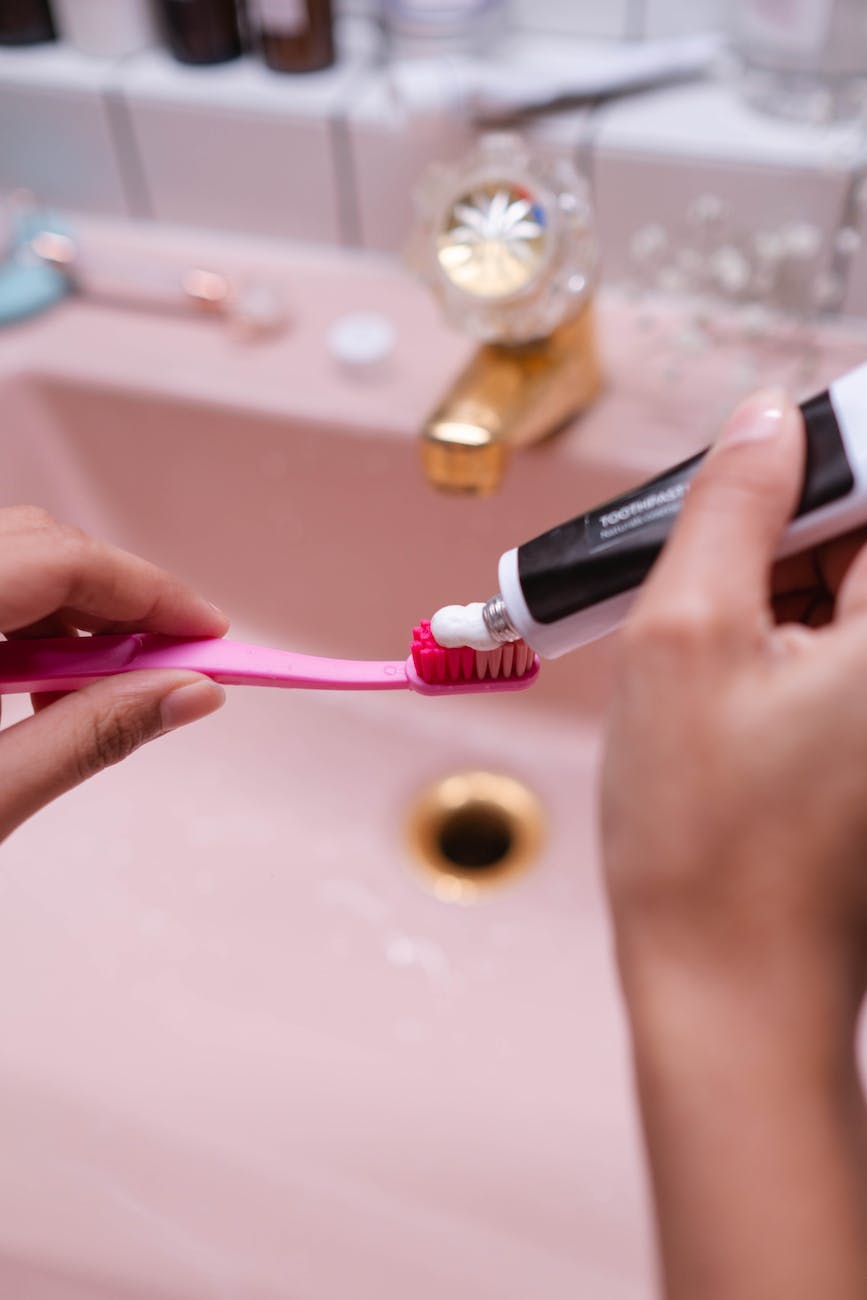
Activated charcoal seems to be quite popular lately, with claims of toothpaste infused with it being able to whiten teeth all over social media, internet and even from personal patients! Big question is does activated charcoal do any real good, though? With today’s dental blog post, we’re here to explore if it actually helps whiten your teeth and if it is safe. What is Activated Charcoal for Teeth Whitening? Before you ask, “Is charcoal toothpaste safe?” it’s important to understand what it is and why it’s become so popular. Activated charcoal is an ancient medicinal technique used to bind to everything. The idea is that it will bind to all your stains, bacteria and tartar, and safely and effectively clean your mouth. Once hailed as the “universal antidote,” this fine, black powder can be made from coal, bone char, peat, sawdust, and other sources, that is then heated to reduce its surface area (and thus, “activating” it). In this form, activated charcoal has long been used as a remedy for poisons (as it can trap various toxins and prevent your body from absorbing them), and, anecdotally, as a natural agent for preventing gas, reducing cholesterol, and even nullifying hangovers. When it comes to whitening teeth, the most common claim is that activated charcoal toothpaste can help absorb plaque and clean stains from coffee, wine, and other drinks that often mar your teeth’s white appearance. Many companies and individuals are marketing charcoal as a safer and more effective product than professional dental care or popular toothpaste formulas. Unfortunately, researchers have found no significant support for this claim. Not only is activated charcoal being marketed with claims that aren’t proven, but dentists and other dental care professionals are also experiencing a range of negative effects from frequent activated charcoal use. Discover how you may actually be hurting your teeth, gums, and overall oral health by using this alternative toothpaste ingredient. What The Scientific Research Tells Us about Activated Charcoal Toothpaste Disregarding activated charcoal’s abrasive nature, it’s not bad for your teeth, per se, but if you’re brushing with it, it’s likely that it won’t do much good for you in the long term, as it doesn’t have enough time to sit on the surface of your teeth and produce any meaningful whitening effect. Another thing that’s important to note is that there’s a difference between removing stains (the central claim of activated charcoal toothpastes) from your teeth and whitening them. The first involves, as the name suggests, getting rid of unsightly stains on the enamel, and is generally done under the supervision of dental professionals and with their specialized tools. Whitening, on the other hand, is a process that actually changes the underlying color of your teeth, which, among people, can vary based on factors like the thickness of your enamel. So, even if you remove surface stains, your teeth can still appear somewhat yellow based on what lies beneath your enamel. Finally, if you are still set on incorporating activated charcoal into your dental hygiene, know that there are a number of DIY alternatives you can try instead. Mixing a bit of baking soda with water, for instance, can help whiten teeth while simultaneously freshening your breath. Similarly, diluted hydrogen peroxide can work to whiten your teeth over time. You might want to try some of these alternatives out before you place that order for some activated charcoal toothpaste Dangers of Using Charcoal in Dental Care When you use activated charcoal toothpaste, you’re exposing your teeth to highly abrasive material. Unlike normal toothpaste, activated charcoal is powerful enough to remove the surface layer of enamel and even root surface. At first, this appears to whiten your teeth, but the long-term consequences can be severe damage to your teeth. In addition to the natural abrasion of charcoal toothpaste products, individuals who are concerned with the health and whiteness of their teeth may actually be brushing too hard. Aggressive brushing techniques can further damage your enamel as you scour your teeth. Dental Professionals, dentists and dental hygienists, are beginning to see charcoal particles firmly lodged in gums and fillings. Because of the severe binding nature of activated charcoal, particularly powdered charcoal, it may be causing irritation to your gums and creating difficulties with your fillings. Over time, these irritations and abrasions can lead to costly dental care. Fillings, enamel repair and whitening, and other dental services may be required to not only give you the results you want but also to repair the damage done by activated charcoal toothpaste and by avoiding professional oral care by a certified dentist. At best, charcoal is an unproven way to clean and whiten your teeth. At worst, it’s actively damaging your teeth, irritating your gums, and removing surface enamel from your teeth. Your teeth’s surface enamel is essential for preventing cavities, keeping your teeth white, and encouraging overall oral health. Top Ways to Enjoy a Healthier Smile Instead of trying an unproven remedy for whiter, healthier teeth, turn to the time-tested and scientifically supported ways to enjoy a healthier smile. Enjoy professional tooth whitening procedures, visit your dentist once or twice a year, and consider using fluoride toothpaste to prevent dental decay. Tooth whitening uses a special whitening solution with tailored trays. This process isn’t permanent, but can efficiently whiten your teeth without damaging your overall tooth health. Whiten your teeth while keeping them safe from abrasion and other unhealthy practices. Because of the lack of evidence to determine does charcoal toothpaste work, turn to a leading dentist near you for safe, effective cleaning and whitening procedures.
Can Dental Veneers be Whitened?
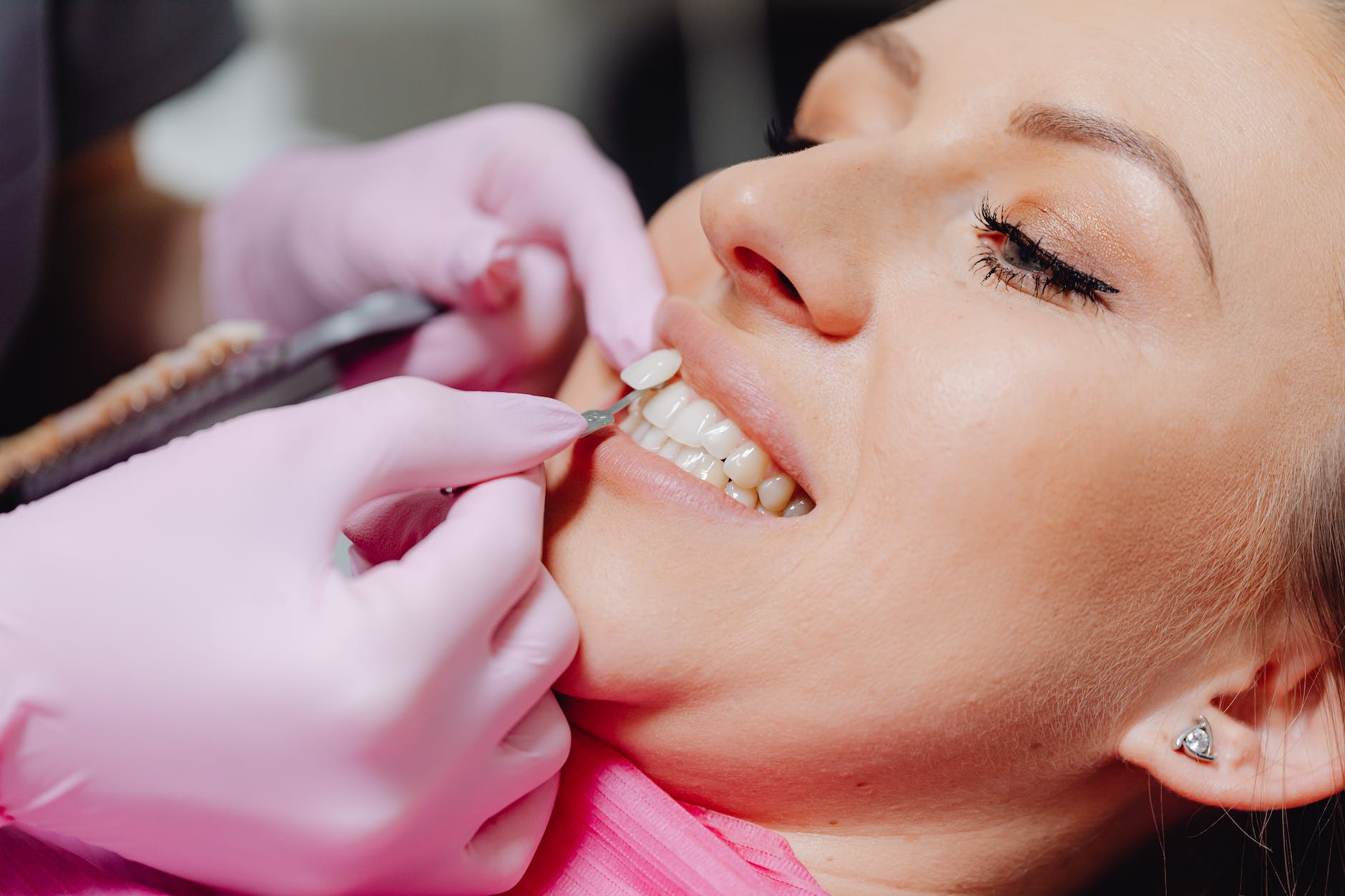
Porcelain veneers are much harder to stain than your natural enamel, but years of drinking staining beverages (coffee, tea) without proper dental hygiene will eventually cause discoloration. Can Veneers Be Whitened? Unfortunately, porcelain does not respond to traditional whitening treatments in the same way that natural enamel does, so it is not recommended that you try to whiten them. Instead, you can talk to your dentist about the cleaning options available to you and the steps that are necessary to prevent restaining in the future. Why Whitening Doesn’t Work The peroxides that are used as the active ingredient in practically all whitening substances contain volatile oxygen molecules. These molecules can penetrate the porous surface of your teeth, coming into contact with the surface stains in your enamel. Upon contact, these oxygen molecules break apart the bonds that hold those stains in place, effectively removing them. Unfortunately, porcelain veneers are specifically made to resist staining. They’re made to be non-porous. This way, the majority of staining beverages and foods do not have an opportunity to take hold. This proves great for patients who maintain a healthy oral hygiene routine. Also for those who use basic precautions to reduce staining. Why? It means that their veneers are likely to maintain their original color until ready to be replaced. Sadly, it also means that traditional whitening will not work on your veneers. Available Cleaning Options of Stained Veneers Whitening treatments may not work, but that doesn’t necessarily mean that your dentist or Dr. Segui won’t be able to reduce or eradicate the staining on your veneers. A professional cleaning is usually all it takes to mitigate early signs of staining. During your visit, your dentist will carefully clean and polish your natural teeth and veneers to give you the best results possible. Unfortunately, if you haven’t been attending your professional cleanings every six months, then it is possible for the staining to get out of hand. If you have serious stains as a result of years of irregular dental care, then your veneers may require replacement. This may also be true if your veneers are older, made from an inferior material like resin, or if your gums have begun to recede. Preventing Restaining By Brushing When it comes to keeping your teeth as white as they were when you first got your porcelain veneers prevention is key. You should be brushing your teeth at least twice a day. This is especially important if you have a fondness for staining foods or beverages such as beets, turmeric, coffee, dark sodas, or red wine. The truth is it’s actually best to brush directly after consuming staining food or drink. The one warning to that is you don’t want to immediately brush after consuming something acidic. Have you had coffee or wine, for example? Then you should always rinse your mouth with water and wait a few minutes before brushing. Brushing your teeth with the acidic substance still in your mouth could actually damage your enamel further. This proves due to its weakened state. Other Prevention Tools In addition to brushing frequently, you can also reduce staining by limiting direct contact between staining drinks and your teeth. Reusable straws can be quite useful in this case. However, you should be aware that it isn’t advisable to drink hot beverages through a straw. It could result in burns to your hard palate, tongue, and esophagus. If you’re drinking a hot, staining beverage while on the move, try keeping sugar-free gum on your person. It isn’t perfect, but sugar-free gum can help stimulate saliva production to reduce the chance of staining. This preventative measure can help give you more time until your next brushing
10 Medical Conditions That Can Affect Your Teeth and Gums
When you go for your routine dental exam, your dentist checks for more than just cavities. That’s because your mouth can signal problems or issues in the rest of your body. From your heart and lungs to your immune system, be aware of these 10 health conditions linked to tooth and gum disease

Questions To Ask Your Dentist Before Getting Veneers
Dental veneers offer one of the quickest paths to the bright, healthy smile of your dreams. Whether you feel self-conscious about stained teeth or wish to cover over a tooth that is chipped, veneers can offer a satisfying solution. Before you get your veneers, however, it is important to have all the necessary information about what they are, how they work, and what you can do to ensure their longevity. The best way to gather this information is through a one-on-one consultation with your dentist. To guide your consultation, here are a few questions you might ask. What to Ask About Dental Veneers? 1. How long does it take to get dental veneers? The process of getting dental veneers can take two or three appointments, and before you begin, it is wise to ask about the timeline. Generally, you will have an initial aesthetic consultation where records will be taken. This will include measurements and analysis of the facial structure to ensure the right fit and look for your veneers. The second appointment will be the longer preparation appointment. This is usually completed 2 weeks after the initial consultation. The teeth are minimally reduced (with sometimes no removal of tooth structure) in order to get the right fit for your veneers. The veneers are then made in a dental lab and customized to provide the fit, color, and appearance you desire. The final appointment 2-3 weeks after the preparation appointment is the final fitting of the veneers or what we call the cementation appointment. At this appointment, the veneers will be adhered to your teeth with chemical retention through bonding the porcelain to your tooth structure. 2. Does it hurt to get dental veneers? If you are concerned about a scary or painful visit to the dentist, ask about it upfront. You will likely be greatly surprised by the answer: Most patients report little to no discomfort whatsoever from this minimally invasive process. In fact, the only preparation needed for your veneers is for a thin layer of tooth enamel to be removed; any discomfort you experience during this step will be minor. 3. Am I a good candidate for dental veneers? Dental veneers represent one of the most popular cosmetic dentistry solutions by most dental offices… but does that mean they are right for you? Generally speaking, you are a good candidate for veneers if you can say yes to any of the following: Your dentist will be more than happy to tell you whether veneers will address your aesthetic needs, or whether a different treatment might make more sense. 4. What can I eat with dental veneers? When you have dental veneers, you can largely eat just like always. It is advised that you cut food up with a fork and knife instead of bite into it with your front teeth after getting the veneers. For example, avoid biting into an apple and instead cut it up into pieces. Some foods you might wish to avoid after placement of veneers include: 5. What can I do to keep my veneers clean? Naturally, when you get dental veneers, you will want to do everything in your power to keep them looking bright, fresh, and new. Your dentist will be glad to furnish you with some tips, but generally speaking: With these basic essential steps, you can keep your veneers looking nice and clean. 6. Are there any downsides to getting veneers? Most patients who get dental veneers really love them. With that said, there can be some potential downsides, and it is important to clarify those with your dentist. Some possible issues with dental veneers include: A good dentist will help you make a truly informed decision about veneers… and that means being honest about both the pros and the cons. 7. How long will dental veneers last? Depending on how well you care for your dental veneers, they may last you anywhere from 10 to 20 years. With that said, you will usually need to have your veneers placed sooner or later. Because veneers require the enamel of your teeth to be shaved down (although minimally), the process is irreversible; so, when your veneers start to wear down, you will need to get new ones. 8. What are the alternatives to dental veneers? Before deciding to get dental veneers, it makes sense to ask about other options for achieving healthy, white teeth. Most dentists who offer veneers also provide a range of other cosmetic solutions, and in some cases, they may recommend you start with basic tooth whitening. It certainly never hurts to explore all the options available before jump starting on one. 9. Can I see some examples from your previous patients? If you are unsure about what dental veneers look like, or have questions about the final outcomes, ask your dentist to see some examples of their past work. Most dentists are more than happy to show off their patient success stories, and to provide you with greater confidence in your own outcomes. Please take a look at our gallery for before and after outcome. Learn More About Cosmetic Veneers As you consider getting dental veneers, do not hesitate to ask your dentist any questions that come to mind. To set up a veneers consultation appointment at Cosmo Dental with Dr. Isabelle Segui or with our skilled associates, we welcome you to contact our office at your next opportunity.


