
As the year draws to a close and the holiday season approaches, the focus shifts to family gatherings, celebrations, and preparing for 2025. Amid all the excitement, one crucial aspect that often gets overlooked is taking care of your oral health. December is not just about gift shopping or planning resolutions—it’s an ideal time to book a dental checkup and finish the year with a healthy, confident smile. Here’s why visiting Cosmo Dental this December is a smart decision and how it can help set you up for a healthy and beautiful 2025. 1. Keep Your Smile Sparkling for Holiday Photos The holidays are filled with moments that will last a lifetime: family photos, office parties, and gatherings. Whether it’s a candid moment or a planned holiday card photo, you’ll want to look and feel your best. A visit to Cosmo Dental before the year ends can ensure your smile is picture-perfect. Consider a professional cleaning or teeth whitening session to enhance your smile, so you can enjoy the holiday season with confidence. With our modern cosmetic services, we’ll help you achieve the bright, radiant smile you deserve. 2. Finish the Year Strong by Taking Care of Your Teeth It’s easy to forget about your oral health in the hustle and bustle of the season, but regular checkups are crucial to maintaining a healthy mouth. A visit to Cosmo Dental this December ensures that you’re starting the new year with a clean slate. During your checkup, our team will assess your oral health, check for any potential issues like cavities or gum disease, and give you tips for better care in the year ahead. Catching small problems now can help you avoid larger, more costly issues in the future. It’s an investment in your long-term well-being! 3. Avoid Last-Minute Dental Emergencies Dental emergencies don’t happen at convenient times—and the holidays are no exception. From a sudden toothache to a broken filling, dental issues can quickly put a damper on your festive mood. December is the perfect time to take care of those lingering concerns, whether it’s a routine cleaning, filling, or preventive care, so you’re not scrambling during the busy holiday season. By visiting us before the year ends, you can rest easy knowing that any dental issues have been addressed and you’re prepared for any emergencies that might arise in the future. 4. No Insurance? No Problem! At Cosmo Dental, we believe in offering high-quality, personalized care without the need for deals or insurance. We pride ourselves on providing clear, transparent pricing, so you always know what to expect when you visit us. While we don’t work with insurance, our affordable services and expert care ensure that you receive the best treatment without surprises. Our goal is to provide the highest standard of dental care in a comfortable and stress-free environment, and we believe every patient deserves to feel confident in their smile—without worrying about navigating complex insurance policies. 5. Make Oral Health Part of Your New Year’s Resolutions As the new year approaches, it’s the perfect time to set goals for better health. A key part of a healthy lifestyle is maintaining good oral hygiene, which can have a big impact on your overall well-being. This December, take a few minutes to reflect on your oral care habits and make a commitment to take better care of your teeth in the coming year. Here are some simple resolutions you can make for a healthier smile in 2025: • Brush and floss daily to remove plaque and reduce the risk of gum disease. • Limit sugary snacks and drinks to protect your teeth from decay. • Visit the dentist regularly to stay on top of preventive care. Starting the year with a proactive approach to your oral health will keep your smile in top shape all year long. 6. Prepare for the Year Ahead with a Plan for Your Dental Care Planning ahead is always a good idea, and this is especially true when it comes to dental care. December is a great time to assess any upcoming treatments, such as orthodontics, cosmetic procedures, or restorative treatments like dental implants. By planning ahead, you can make sure you’re staying on track with any necessary procedures and scheduling them at a time that works best for you. If you’re considering any cosmetic dental work or more advanced treatments, a consultation now can help you understand your options and set goals for your smile in 2025. Book Your Appointment at Cosmo Dental Today The holidays are a time to take a breather, but it’s also an opportunity to take care of yourself and your health. Don’t wait until the new year to address any dental concerns. Visit Cosmo Dental this December for a thorough checkup and treatment, so you can ring in 2025 with a confident, healthy smile. We’re here to provide exceptional care, whether you need a routine cleaning, cosmetic treatment, or simply want to maintain your smile’s health. Wishing you a joyful December season and a bright, beautiful 2025 from the Cosmo Dental team!

The Importance of Postpartum Dental Visit
Having a baby is one of life’s wonderful mysteries, and can be one of the most joyful times in a woman’s life. With a new baby comes new experiences, new routines, and sleepless nights. Unfortunately, being the mom of a newborn can also come with a greater risk for tooth decay. Dental care during pregnancy is extremely important, but it is just as important after. There is a lot going on in the life of a newborn—feedings, diaper changes, mom’s own physical healing, and trying to juggle so many tasks at the same time. It’s a lot to handle. Moms, often you are so concerned about keeping baby warm, fed, and happy, that it’s easy to neglect your own physical health. But, if baby is going to stay healthy, mom must also stay healthy—in body, mind…and teeth! Schedule times to brush your teeth and floss. New moms who are adjusting to life with a new baby are fortunate to have time to take a shower, let alone brush their teeth. But smartphones are a wonderful invention for many reasons, and you don’t need an additional fancy app to help you remember to brush your teeth. Simply set a reminder or alarm on your phone that will remind you twice a day to brush your teeth. Determine a time that may work best, and set the reminders. Fortunately, brushing your teeth will only take two minutes, so it can be done really quickly. Getting your teeth brushed will go a long way in maintaining your dental health after you’ve had a baby. One fact that you may not think about is that tooth decay-causing bacteria from your mouth can be passed on to your baby, by sharing utensils or trying to “clean” a pacifier with your mouth. Watch what you eat. During the frenzied newborn days, let’s be honest—it’s not easy to eat well and on time. While grabbing comfort food and starchy snacks might be easy, stock your refrigerator (or have a friend, husband, or your own nanay stock it for you) with easy-to-grab, ready-made healthy snacks, and meal options. That way, when you are hungry and have a second to grab a bite to eat before the baby starts crying again, you have healthy foods ready to go that won’t damage your teeth. The other benefit to a healthy diet after baby is born, is the fact that eating a consistent, healthy diet will strengthen your teeth and gums. Limit your sugar intake, and focus instead on fruits, vegetables, and proteins, and on getting all the vitamins and minerals that your body needs. Avoid processed foods, and opt instead for fresh options. Keep your semi-annual dentist appointment. Leaving the house with a newborn can be a challenge for even the most experienced mom, and it’s easy to shove that semi-annual dentist appointment aside. However, there is no better time to keep that appointment, as your dental check-up can catch tooth erosion before you might be aware of the decay. This is also the perfect time to ask your dentist about any issues you may be experiencing—issues that you might not address during this phase normally. That toothache you have started to notice, or more gum bleeding than normal—theses are issues that can be addressed during your dentist appointment. But, don’t forget to tell us if you are nursing, as this can affect how we treat any potential tooth problems. So, don’t reschedule. Bring the baby with you—we don’t mind!—or ask a family member or a trusted friend to watch the baby while you stop in. You want your baby to grow up seeing lots of healthy, happy smiles from Mom, so please take steps to care for your oral health while you’re taking care your dear little one. Contact Cosmo Dental today and schedule your postpartum checkup now!

When is a Dental Filling Necessary?
If you have ever gotten a cavity, you most likely had it filled with a dental filling. Dental fillings are used to fill the space left by a cavity. When is a dental filling necessary? The recommended time for a dental filling is when your dentist detects the beginnings of tooth decay and not when you notice a hole in your tooth. Several steps lead to tooth decay, and you may experience symptoms before the cavity forms. The first stage of tooth decay is when the enamel on your teeth erodes. Enamel is the outer layer of your tooth that protects it from harm, and it is constantly bombarded with bacteria that cause it to wear down. When carbohydrates mix with saliva in the mouth, bacteria form that attack the enamel. If these bacteria are not removed with regular brushing and flossing, the enamel may deteriorate to the point that the dentin is exposed. If bacteria reach the dentin, tooth decay results, and you will begin to notice the symptoms of a cavity. These include: If you experience any of these, a cavity is likely to form. Consult a dentist if you experience any of these symptoms. They may be able to minimize your need for a filling. What if you experience pain after getting a dental filling? While you can expect to feel some pain after getting a dental filling, it should not last more than a day or two. However, if you continue to experience pain, there are some common causes. Composite fillings are known to cause sensitivity. It is fairly common for a composite filling to shrink, which causes a gap beneath it. If this becomes too uncomfortable to cope with, your dentist may replace it with a different material or alter the method used to install it. If the filling is not positioned correctly, you may experience malocclusion. This refers to a filling that is placed too high, which causes pain when you bite down. This can be easily fixed with a follow-up visit to your dentist. Rarely, an electric shock may occur if you have both amalgam and gold fillings that touch. The metals might combine to form an electric current. What are the different types of fillings? Fillings generally come in two varieties: metallic and non-metallic. In general, metallic fillings such as gold and amalgam are more durable than non-metallic fillings and can last up to 20 years before needing to be replaced, but they do not have the natural color of teeth. This makes them ideal for back teeth where they are less noticeable, and their durability means they can withstand chewing. Non-metallic fillings such as porcelain, composite, and glass ionomer look like natural teeth but are generally less durable than metallic fillings, making them typically more appropriate for front teeth. Dental amalgam is a common type of metal filling. They are silver in color and contain a mixture of different metals including tin, copper, silver, and mercury. Mercury is a key component because it reacts with the other metals and binds them into a highly durable material. Another type of metal filling is gold. Also called inlays or onlays, they are highly durable, just like dental amalgam. However, they are less popular than dental amalgam, and it is not guaranteed that your dentist will be able to install gold fillings. Composite fillings are non-metallic. Made of a mixture of resin and glass, they are less durable than their metal counterparts and need to be replaced more often, but have a natural color. Glass ionomer is another type of non-metallic filling. Made of powdered glass, they are an alternative to composite fillings if you are looking for natural color. One special feature of glass ionomer fillings is that they may release fluoride, which will strengthen your teeth and help protect them from cavities. Because amalgam fillings contain mercury, you may have concerns about their safety. Rest assured that they are not harmful, as they do not contain the type of mercury that is toxic to humans. Before receiving a filling, tell your dentist if you are allergic to anything that might be in a metal filling, such as copper or tin. Some people have allergies that prevent them from getting metal fillings. Keep In Mind: A dental filling is a common and effective way to reduce or eliminate pain caused by a cavity. Because there are many different types of fillings used for different scenarios, you will likely have choices as to what kind of filling you can receive. Request an appointment here: https://cosmodentalph.com/contact-us or call Cosmo Dental by Dr Segui and Associates at 0968-621-2551 (QC Office) or 0917-168-2289 (Makati Office).

Top 10 foods that are good for your teeth
We all know the secret to healthy teeth: brush regularly, floss regularly and keep sugars to a minimum. However, the food you eat can also play a part in maintaining a healthy mouth and, while no food will ever replace the need to brush, there are some that are surprisingly healthy for your teeth. 10. Chewing gum Whether or not this qualifies as food is debatable, and we would strongly advise against swallowing it. However, as many advertisements promise, chewing gum is indeed good for your teeth, provided it is sugar free. This is because chewing speeds up saliva production, which in turn helps rinse away harmful acids more effectively. As an added bonus, it makes your breath smell better. 9. Salmon Vitamin D is an essential vitamin for good oral health, as it effectively allows your body to better absorb calcium and put it to good use throughout your body. Salmon is packed full of both Vitamin D and calcium, making it an all-round superfood for helping to maintain healthy teeth and gums. 8. Carrots Carrots have been hailed a cavity fighting vegetable, as munching on sticks of crunchy, raw carrot acts as a natural toothbrush. The chewing action massages your gums, and this bright vegetable is high in plaque-attacking keratin as well as Vitamin A, which is crucial for strengthening delicate tooth enamel. All-in-all it’s a good choice for an in-between-meal snack. 7. Cheese Cheese is great for your teeth. Not only does it have high levels of phosphate and calcium, which naturally strengthen teeth and bones, but it also helps balance the pH level in your mouth, which means less harmful acid, more cleansing saliva and fewer cavities. 6. Yoghurt Unsweetened natural yoghurt makes a great healthy breakfast or snack. For the benefit of your teeth, yoghurt contains both casein and calcium, which strengthen enamel and help repair it if it happens to be damaged. 5. Sesame seeds Eating sesame seeds on their own, or baked into bread will help you in two ways. First of all, as you chew, they help to scrub plaque from your teeth and, secondly, they’re high in calcium. Just make sure any seeds caught between your teeth are removed as soon as possible. 4. Onions Raw onion is incredibly healthy for you, and as an added bonus, the antibacterial sulphur compounds contained in an onion will kill the harmful bacteria on your teeth. But you might want to chew gum afterwards! 3. Celery Celery gives your teeth a great workout. As you chew celery, it helps to clean your teeth and massages your gums in the process, while all that chewing will also produce plenty of saliva to neutralise bacteria. 2. Apples Apples are highly acidic and you could be forgiven for thinking that would weaken the enamel on your teeth. However, the natural sugars contained within apples actually help neutralise harmful acids in the mouth. As well as this, chewing apples is another good mouth workout for saliva production, and they’re packed with vitamins to keep your gums healthy. 1. Strawberries Strawberries are sweet, acidic and tend to stain things red, so how can they possibly be good for your teeth? Strawberries contain malic acid, which is actually a good natural whitener for enamel – eating strawberries will actually help keep your teeth free of stains. Just be mindful that strawberry seeds can get stuck between your teeth, so make sure you floss after eating them.

Good Dental Hygiene Habits For Kids
You want your child’s teeth to last all of his life, so it is important to teach him or her good dental habits. As your child grows, caring for his teeth will become a natural part of his daily routine. Good oral hygiene habits can limit or prevent problems such as cavities, gum disease and other dental issues. The best way to help your child form these habits is to start early, even before he is able to care for his own teeth. Gradually you can help your child learn to care for his teeth all by himself. Brush and floss Our team at Cosmo Dental wants you to feel comfortable caring for your child’s teeth. Start when you notice the first tooth has erupted. For children ages 3 or younger, use a soft bristled toothbrush designed for children with a little dab of toothpaste, no larger than a grain of rice. For children ages 3 or older, use a small amount of fluoride toothpaste, about the size of a pea. Start using a toothpaste containing fluoride once the child is able to expectorate. Continue to brush your child’s teeth twice daily using small, circular motions until he is ready to do it on his own. There are many fun products on the market, so let your child help choose his toothpaste or toothbrush. Usually, by age 6 or 7, children are able to brush properly on their own, although they probably still need reminders and supervision. When your child gets more teeth, especially when the teeth begin to fit closely together, it’s time to start flossing. Move the floss gently back and forth to remove trapped debris. Be careful not to yank the floss hard against the gums and ask your child to let you know if the flossing is uncomfortable. This is also when you may find out your child needs to have their first visit to an orthodontist to check their bite, jaw and development. Regular dental visits It’s important to take your child to the dentist after the first tooth appears, but no later than his or her first birthday. Thereafter, a child should visit the dentist twice a year for routine checkups and cleaning. These visits also give you the opportunity to ask any questions you may have about your child’s dental care. Remember that baby teeth are not only the first set of teeth, but are also saving places for the adult teeth to come later. Some adults are nervous about visits to the dentist, however it is important to lead by example. If you are calm, your demeanor has a positive effect on your child’s behavior during the visit. Habits to avoid Eating foods loaded with sugar, candy (particularly sticky or gummy candy) or juices can cause cavities. This is also true of sweetened liquid medicines. Have your child brush his teeth or rinse his mouth after consuming these items. Teach your child to avoid chewing on ice. It is an easy habit to fall into, but it can destroy tooth enamel, leaving your teeth susceptible to decay. Chewing ice can also crack or chip teeth. Eat a healthy diet A healthy diet should include options from all the major food groups. Offer a well-balanced diet that limits starchy and sugary foods, as these can lead to tooth decay. Make sure to include calcium for strong teeth. Encourage your child to drink water instead of soda or juice. Keep your pantry stocked with fresh fruits and vegetables to encourage “healthy snacks.” Some of these, such as bananas and raisins, contain concentrated sugar so your child should brush after eating them. In addition to caring for your child’s teeth, model good dental hygiene on a daily basis. Brush together twice a day. Don’t treat it as a chore, but rather have fun with it. The habits you create today will last a lifetime! If you have yet to find a dental home for your child, request an appointment at Cosmo Dental Eton Centris QC OR Eton Tower Makati office.

What Causes Plaque Buildup?
Plaque buildup on teeth is caused by plaque-producing bacteria that feed on sugar and produce acids as a waste product. The bacteria quickly multiply in the plaque film, causing further plaque buildup which, if left unchecked for too long, can lead to cavities, gum disease and tooth decay. Therefore, it’s important to keep plaque from accumulating on your teeth for a very long in order to maintain good oral health. Regular brushing twice daily with fluoride toothpaste and flossing your teeth once a day can help remove plaque before it turns into tartar. Additionally, regular dental checkups are important to ensure any plaque buildup is removed regularly. In this article, we will go over strategies to make sure you limit the amount of plaque buildup so that you can have a healthy and beautiful smile. Cutting down on soft drinks Soft drinks are a common leader for plaque build-up. Since they are often high in sugar, acid is released that breaks them down and can be harmful to how you eat and drink. When left unattended, a plaque buildup from too many soft drinks can hurt your gums as well, often leading to forms of gum disease. Cutting soft drinks out of your diet entirely isn’t necessary to avoid plaque buildup. It just is recommended to lower your intake to ensure that your teeth stay healthy in the long term. Brushing and Flossing Regularly brushing your teeth twice a day with fluoride toothpaste is important to help plaque from accumulating. Additionally, flossing once a day can help remove plaque before it turns into tartar. Brushing after each meal will also help keep plaque levels down and protect your teeth from plaque buildup over time. Regular Dental Visits Another important way to minimize plaque buildup is to visit your dentist regularly. During a dental checkup, plaque and tartar can be removed in order to get rid of any plaque that may already have built up. This helps ensure that plaque doesn’t build up too much and cause more serious problems. Starch-heavy foods Any foods with heavy starch also are prone to increase plaque buildup. Now, these would require a more serious diet change to really see a big difference. In order to see results here with your teeth, it’s recommended to improve your brushing and flossing methods. This will lower the amount of change in your day-to-day and simply improve the quality of your teeth care. Including foods that are high in calcium and phosphorus can help your teeth stay healthy and plaque-free. Eating fruits, vegetables, and dairy products can help protect your teeth from plaque buildup by providing them with the nutrients they need to remain strong. I have heavy plaque formed, what can I do? In your day-to-day, increase the quality and frequency of care for your teeth. This doesn’t mean to scrub more aggressively, but simply to take your time and hone in on which areas are affected. In order to be made aware of which areas to target, seeking professional assistance is a common first step. Give Cosmo Dental a call today and schedule an appointment. We have 2 office locations: QC and Makati. We’ll get you back to feeling yourself again, and lowering the risk you have for plaque buildup and gum disease. We’re really looking forward to speaking with you soon!

Why Change Your Toothbrush Every 3 Months
Brushing your teeth is a vital part of maintaining your oral health. We’re taught how to brush our teeth from an early age and told we should brush at least twice a day. Beyond the frequency that we brush our teeth, we also need to make sure that we’re using the appropriate techniques, as well as using quality toothbrushes. At Cosmo Dental, Dr. Segui and her associates recommend replacing your toothbrush once every three months or sooner. Many people believe that the idea that you should change out your toothbrush every 3 months is a marketing technique to buy more toothbrushes. However, there are multiple reasons why dental professionals recommend changing your toothbrush every three months. Bacteria Buildup. For one, after you brush your teeth, bacteria and plaque inhabit your toothbrush. In a similar way that dirt becomes transferred to a sponge when you clean, bacteria also become transferred to toothbrushes. The longer you use a certain toothbrush, the more bacteria will take over the brush. Worn Out Bristles. Another reason you should change your toothbrush every three months is that over time, your toothbrush bristles will become worn out. Worn-out bristles tend to be more abrasive on your gums, which can lead to premature gum recession and inflammation in your gums. After Sickness. If you are dealing with a cold, flu, or other viral infection, you should change your toothbrush to avoid reinfecting yourself. Viruses and bacteria can remain in your toothbrush bristles, leading to cross-contamination into your family’s toothbrushes or reinfection. You should dispose of your toothbrush after sickness, and replace it with a fresh toothbrush. SIGNS TO REPLACE YOUR TOOTHBRUSH You might need to replace your toothbrush sooner than three months. If you brush with too much pressure, you will probably notice your bristles becoming worn out before three months. As soon as you realize that your toothbrush bristles are pointing in the wrong direction or becoming worn down, you should replace it. However, as a general rule of thumb, you should try to replace it every three months. Keeping Your Toothbrush Clean People might try to use various cleaning agents to clean their toothbrushes after dropping them or getting sick. Unfortunately, this can actually cause more harm to your teeth and gums. To keep your toothbrush as clean as possible, make sure you rinse it well after use, then let it air dry. Avoid storing your toothbrush in a small and enclosed space, as this promotes the growth of bacteria. When storing your toothbrush in a cup or toothbrush holder, avoid letting it touch other toothbrushes, which can transfer bacteria. Oftentimes, patients try to sterilize their toothbrushes by boiling, microwaving, or washing them in a dishwasher. Exposing your toothbrush to excessive heat can warp your brush’s bristles, making them less effective at cleaning your teeth. SHOULD YOU USE AN ELECTRIC OR MANUAL TOOTHBRUSH? It is hard to say if an electric toothbrush or manual toothbrush is better for your oral health. After all, not all electric toothbrushes and not all manual toothbrushes are created equal. Some electric toothbrushes are more effective than others and vice-versa. Whether you want an electric or manual toothbrush is a matter of preference. For instance, if your manual toothbrush is working for your oral health situation, and you have not experienced decay or cavities, it is better to not change your habits. However, if you have a hard time reaching certain teeth or deal with regular cavities and decay, then we recommend switching to a more effective electric toothbrush. Electric toothbrushes can also be a good option for the elderly when coordination and strength are lacking. Beyond using proper brushing habits, it is also important to make sure you are going to the dentist twice a year for professional cleanings, as well as flossing daily! Want to know more about your oral health routine? Schedule an appointment with your COSMO DENTAL Eton Centris QC at 0968621-2551 or Eton Tower Makati at 0017-168-2289.

What To Know About Periodontal Disease And How To Prevent It
Periodontal disease refers to various levels of severity of infection in the gum tissues. Some of these issues include plaque, gingivitis, gum infection, gum inflammation and many others. According to WebMD, gingivitis is inflammation of the gums and a precursor of periodontal disease. It’s also a signal that additional care is necessary to prevent it from becoming worse. Gingivitis is relatively easy to treat. If you control it quickly, you can avoid serious periodontal disease that may require more invasive procedures. Periodontitis is an inflammatory gum disease that generally affects the tissues supporting the teeth. We’re not trying to scare anybody, but being aware of what causes gum inflammation and subsequent gum diseases can save some trouble down the line. Diligent oral care is equally important for the health of both gums and teeth. Inflamed or infected gum tissue can occur, and if left untreated, it can eventually cause damage to the underlying jawbone that supports the teeth. Teeth are left vulnerable and can become loose. What started as a minor inflammation can end with tooth loss. So, let us know about some of the periodontal diseases: Gingivitis:It is often considered as one of the earliest stage of gum disease and is noticeable via inflammation of the gums. Generally, in gingivitis gums swell up and appear reddish and sometimes it even bleeds while brushing. However, at this stage, the gum disease could be prevented from further increasing. Periodontitis:It is the second stage of gum disease wherein the teeth supporting bone and fibers that hold the teeth in place are irreversibly damaged. The gums begin to form a pocket below the gum line, which increases penetration and growth of plaque below the gum line. When you reach this stage, it is important that you start taking your oral hygiene seriously and go for one or two periodontal therapy so that further damage can be prevented to the gum tissue and teeth supporting bones. Advanced Periodontitis:Since, it is advanced periodontitis, it is the more advanced stage of gum disease. At this stage the fibers and supporting bones of your teeth are getting destroyed and your teeth are starting to loosen. This affects your entire oral system. Aggressive periodontal therapy needs to be done and teeth might need to be removed by the dentist. Dentist will provide restorative options if teeth are removed due to periodontal disease. Now that you know, why your gum bleeds and why does your particular tooth pains, know how to treat it on time without damaging your teeth any further. Since, gingivitis is the earliest stage, it can be treated easily. You can simply get your teeth cleaned by the professional dentist more often. Generally, cleaning your teeth every 3 to 4 months would help your get rid of the problem. However, if your periodontal disease is in second stage, a little more complex treatment would be involved. You can go for: Root planning and Scaling: Root planning and scaling involves deep cleaning of your teeth and gums that removes plaque (the major cause of periodontal diseases) and tartar under the gum line. Don’t worry about the pain, local injection would ease out the pain. Gum Surgery: Hope you don’t reach this level but if you have advanced periodontitis, gum surgery can be done to repair damage caused by infection. Gingivectomy is done to remove infected tissue, a flap procedure to clean the gumline to remove bacterial infection and scale the tooth roots in case of periodontal pockets larger than 5 mm, and gum grafting can be done for the recessed tissue. Regenerative Procedures: It is the reversal process used to reverse the bone and tissue damage. In this, infection in your gums is removed by the dentist by opening the affected area. He will then place a bone graft, membranes (filters) or tissue-stimulating proteins that will encourage the bone and tissue to regenerate. The worse your gum disease becomes, the more invasive the treatment is likely to be. To avoid surgery, practice prevention. Periodontal Disease Treatment at Cosmo Dental How to prevent periodontal diseases?Brush your teeth:Well, brushing is the most basic thing that you can do to prevent gum diseases, but people are more prone to gum diseases even after regular brushing. So, brush after every meal to remove plaque that gets trapped between your teeth and gums. Don’t forget to include your tongue, bacteria loves to hide there. Flossing vs gingivitis:Never run out of floss in your bathroom. Even if you brush twice, always say yes to floss. Regular flossing certainly reduces the signs of gingivitis when coupled with regular brushing. Flossing is magical for bleeding gums as well. Floss at least once a day as well; gums can sometimes stop bleeding with regular flossing. Swish with mouthwash:Use mouthwash to rinse your mouth after brushing even. Mouthwash helps keep your breath fresh and reduce episodes of plaque in your gums. Mouthwash removes food particles that brushing and flossing could miss. Frequent visit to periodontist:If not every month, an annual meeting with a good periodontist could help you evaluate your dental health. A Comprehensive Periodontal Evaluation looks at your teeth, plaque level, gums, bite, bone structure and other risk factors for periodontal disease. Identifying symptoms of gum disease early is a key to protecting your teeth and gums. Quit smoking:If you are smoker, you are susceptible to get periodontal disease more easily than a person who does not smoke. Drinking and unhealthy diets also add to the gum disease woes. Always consult a periodontist before infection in your teeth increases with time. So, know your risk and other factors that add to it. Well, we hope you don’t have to consult periodontics any time soon and our preventive tips are taken seriously before you have to fine cure.

What to Do in a Dental Emergency
You break a leg; you go to the emergency room. They are open 24/7 and can help you. But what happens when you break a tooth? Or experience severe tooth pain? If your first reaction is to go to the hospital ER, WAIT. In this blog, we’ll tell you why dental emergency consultations should be your first quest for help. What is considered a dental emergency? Let’s start by outlining the most common dental emergencies: If you experience a dental problem that’s life-threatening, such as a dislocated jaw or impaired breathing, call 911 or go to the emergency room. If your problem is not life-threatening, here’s the next step: Step 1. Call your dentist for a dental emergency consultation Even if your dental emergency happens outside your dentist’s business hours, call him or her. Most dentists have an automated message with instructions on what to do, like calling the dental office emergency number or contacting them through social media. With a dental emergency consultation, you will get advice from your trusted dentist who addresses your symptoms and the root cause of your problem. Your dentist may advise you to come in for an appointment ASAP, provide tips on how to relieve your symptoms, or recommend treatments to end the problem once and for all. Why you should avoid the ER for a dental emergency Most hospitals do not have dental staff on call and can only treat your symptoms with pain killers or antibiotics. You will likely still require a dental appointment to treat your emergency correctly. At-home steps for dental emergencies In some cases, the first step is to react to your dental emergency and then call your dentist, which is why we have laid out quick steps on what to do in a dental emergency. Following these steps and acting quickly may be the difference between saving your tooth or losing it. We recommend bookmarking this blog or sharing it on social media so you can always have it on hand – just in case! What do I do if I knocked out a tooth? What do I do if I break a tooth? The same goes if you chip or crack a tooth. What do I do if I have something stuck between my teeth? How do I treat a toothache or abscess? The last thing you should know! Most dental emergencies are preventable. These five tips will significantly decrease your chances of experiencing one: Need to call an emergency dentist? At Cosmo Dental, we have experienced dentists available to help you with your dental emergency. Our office is located in Quezon City (Eton Centris) and in Makati (Eton Tower Makati).
The Dental Truth on Activated Charcoal Toothpaste
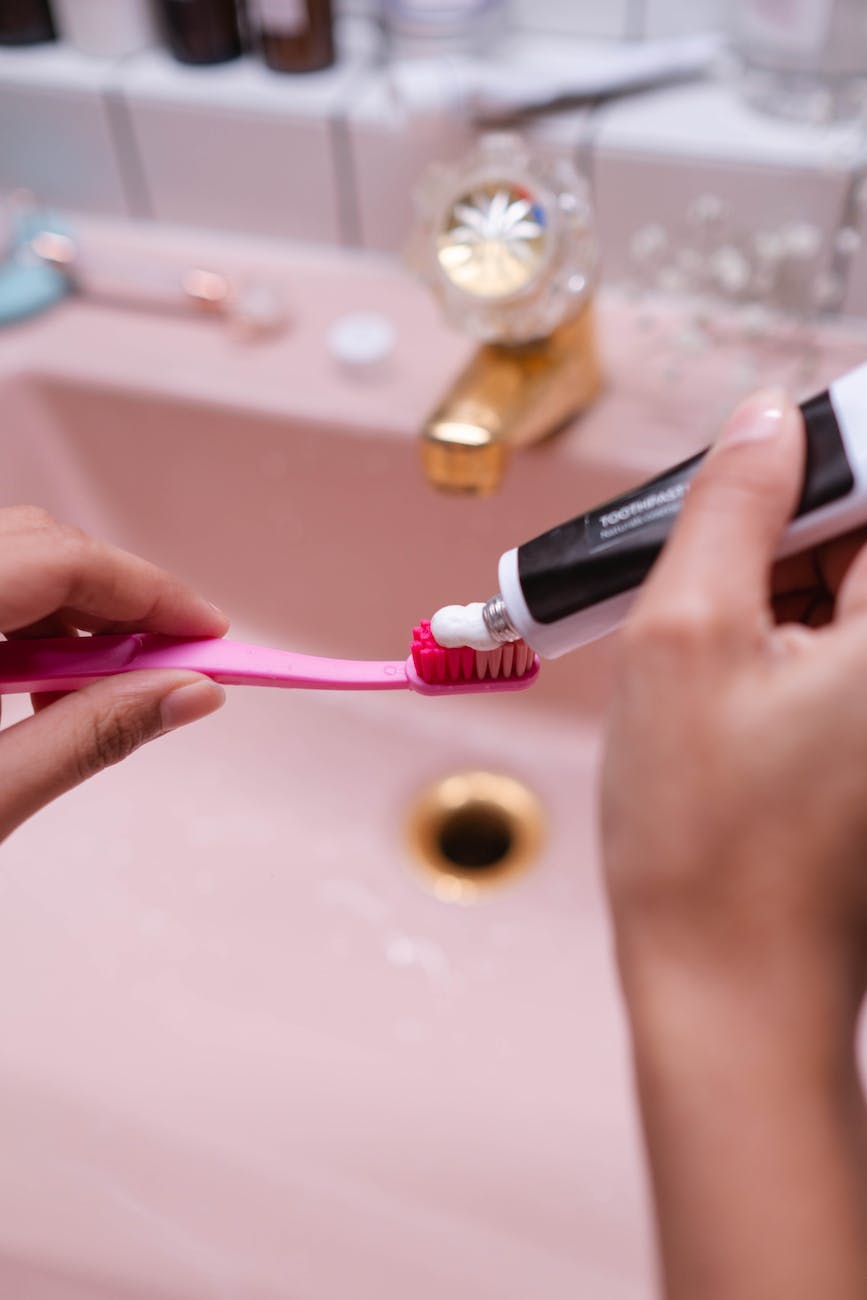
Activated charcoal seems to be quite popular lately, with claims of toothpaste infused with it being able to whiten teeth all over social media, internet and even from personal patients! Big question is does activated charcoal do any real good, though? With today’s dental blog post, we’re here to explore if it actually helps whiten your teeth and if it is safe. What is Activated Charcoal for Teeth Whitening? Before you ask, “Is charcoal toothpaste safe?” it’s important to understand what it is and why it’s become so popular. Activated charcoal is an ancient medicinal technique used to bind to everything. The idea is that it will bind to all your stains, bacteria and tartar, and safely and effectively clean your mouth. Once hailed as the “universal antidote,” this fine, black powder can be made from coal, bone char, peat, sawdust, and other sources, that is then heated to reduce its surface area (and thus, “activating” it). In this form, activated charcoal has long been used as a remedy for poisons (as it can trap various toxins and prevent your body from absorbing them), and, anecdotally, as a natural agent for preventing gas, reducing cholesterol, and even nullifying hangovers. When it comes to whitening teeth, the most common claim is that activated charcoal toothpaste can help absorb plaque and clean stains from coffee, wine, and other drinks that often mar your teeth’s white appearance. Many companies and individuals are marketing charcoal as a safer and more effective product than professional dental care or popular toothpaste formulas. Unfortunately, researchers have found no significant support for this claim. Not only is activated charcoal being marketed with claims that aren’t proven, but dentists and other dental care professionals are also experiencing a range of negative effects from frequent activated charcoal use. Discover how you may actually be hurting your teeth, gums, and overall oral health by using this alternative toothpaste ingredient. What The Scientific Research Tells Us about Activated Charcoal Toothpaste Disregarding activated charcoal’s abrasive nature, it’s not bad for your teeth, per se, but if you’re brushing with it, it’s likely that it won’t do much good for you in the long term, as it doesn’t have enough time to sit on the surface of your teeth and produce any meaningful whitening effect. Another thing that’s important to note is that there’s a difference between removing stains (the central claim of activated charcoal toothpastes) from your teeth and whitening them. The first involves, as the name suggests, getting rid of unsightly stains on the enamel, and is generally done under the supervision of dental professionals and with their specialized tools. Whitening, on the other hand, is a process that actually changes the underlying color of your teeth, which, among people, can vary based on factors like the thickness of your enamel. So, even if you remove surface stains, your teeth can still appear somewhat yellow based on what lies beneath your enamel. Finally, if you are still set on incorporating activated charcoal into your dental hygiene, know that there are a number of DIY alternatives you can try instead. Mixing a bit of baking soda with water, for instance, can help whiten teeth while simultaneously freshening your breath. Similarly, diluted hydrogen peroxide can work to whiten your teeth over time. You might want to try some of these alternatives out before you place that order for some activated charcoal toothpaste Dangers of Using Charcoal in Dental Care When you use activated charcoal toothpaste, you’re exposing your teeth to highly abrasive material. Unlike normal toothpaste, activated charcoal is powerful enough to remove the surface layer of enamel and even root surface. At first, this appears to whiten your teeth, but the long-term consequences can be severe damage to your teeth. In addition to the natural abrasion of charcoal toothpaste products, individuals who are concerned with the health and whiteness of their teeth may actually be brushing too hard. Aggressive brushing techniques can further damage your enamel as you scour your teeth. Dental Professionals, dentists and dental hygienists, are beginning to see charcoal particles firmly lodged in gums and fillings. Because of the severe binding nature of activated charcoal, particularly powdered charcoal, it may be causing irritation to your gums and creating difficulties with your fillings. Over time, these irritations and abrasions can lead to costly dental care. Fillings, enamel repair and whitening, and other dental services may be required to not only give you the results you want but also to repair the damage done by activated charcoal toothpaste and by avoiding professional oral care by a certified dentist. At best, charcoal is an unproven way to clean and whiten your teeth. At worst, it’s actively damaging your teeth, irritating your gums, and removing surface enamel from your teeth. Your teeth’s surface enamel is essential for preventing cavities, keeping your teeth white, and encouraging overall oral health. Top Ways to Enjoy a Healthier Smile Instead of trying an unproven remedy for whiter, healthier teeth, turn to the time-tested and scientifically supported ways to enjoy a healthier smile. Enjoy professional tooth whitening procedures, visit your dentist once or twice a year, and consider using fluoride toothpaste to prevent dental decay. Tooth whitening uses a special whitening solution with tailored trays. This process isn’t permanent, but can efficiently whiten your teeth without damaging your overall tooth health. Whiten your teeth while keeping them safe from abrasion and other unhealthy practices. Because of the lack of evidence to determine does charcoal toothpaste work, turn to a leading dentist near you for safe, effective cleaning and whitening procedures.


