

Having a baby is one of life’s wonderful mysteries, and can be one of the most joyful times in a woman’s life. With a new baby comes new experiences, new routines, and sleepless nights. Unfortunately, being the mom of a newborn can also come with a greater risk for tooth decay. Dental care during pregnancy is extremely important, but it is just as important after. There is a lot going on in the life of a newborn—feedings, diaper changes, mom’s own physical healing, and trying to juggle so many tasks at the same time. It’s a lot to handle. Moms, often you are so concerned about keeping baby warm, fed, and happy, that it’s easy to neglect your own physical health. But, if baby is going to stay healthy, mom must also stay healthy—in body, mind…and teeth! Schedule times to brush your teeth and floss. New moms who are adjusting to life with a new baby are fortunate to have time to take a shower, let alone brush their teeth. But smartphones are a wonderful invention for many reasons, and you don’t need an additional fancy app to help you remember to brush your teeth. Simply set a reminder or alarm on your phone that will remind you twice a day to brush your teeth. Determine a time that may work best, and set the reminders. Fortunately, brushing your teeth will only take two minutes, so it can be done really quickly. Getting your teeth brushed will go a long way in maintaining your dental health after you’ve had a baby. One fact that you may not think about is that tooth decay-causing bacteria from your mouth can be passed on to your baby, by sharing utensils or trying to “clean” a pacifier with your mouth. Watch what you eat. During the frenzied newborn days, let’s be honest—it’s not easy to eat well and on time. While grabbing comfort food and starchy snacks might be easy, stock your refrigerator (or have a friend, husband, or your own nanay stock it for you) with easy-to-grab, ready-made healthy snacks, and meal options. That way, when you are hungry and have a second to grab a bite to eat before the baby starts crying again, you have healthy foods ready to go that won’t damage your teeth. The other benefit to a healthy diet after baby is born, is the fact that eating a consistent, healthy diet will strengthen your teeth and gums. Limit your sugar intake, and focus instead on fruits, vegetables, and proteins, and on getting all the vitamins and minerals that your body needs. Avoid processed foods, and opt instead for fresh options. Keep your semi-annual dentist appointment. Leaving the house with a newborn can be a challenge for even the most experienced mom, and it’s easy to shove that semi-annual dentist appointment aside. However, there is no better time to keep that appointment, as your dental check-up can catch tooth erosion before you might be aware of the decay. This is also the perfect time to ask your dentist about any issues you may be experiencing—issues that you might not address during this phase normally. That toothache you have started to notice, or more gum bleeding than normal—theses are issues that can be addressed during your dentist appointment. But, don’t forget to tell us if you are nursing, as this can affect how we treat any potential tooth problems. So, don’t reschedule. Bring the baby with you—we don’t mind!—or ask a family member or a trusted friend to watch the baby while you stop in. You want your baby to grow up seeing lots of healthy, happy smiles from Mom, so please take steps to care for your oral health while you’re taking care your dear little one. Contact Cosmo Dental today and schedule your postpartum checkup now!
5 Myths and 5 Facts About Dental Implants in the Philippines
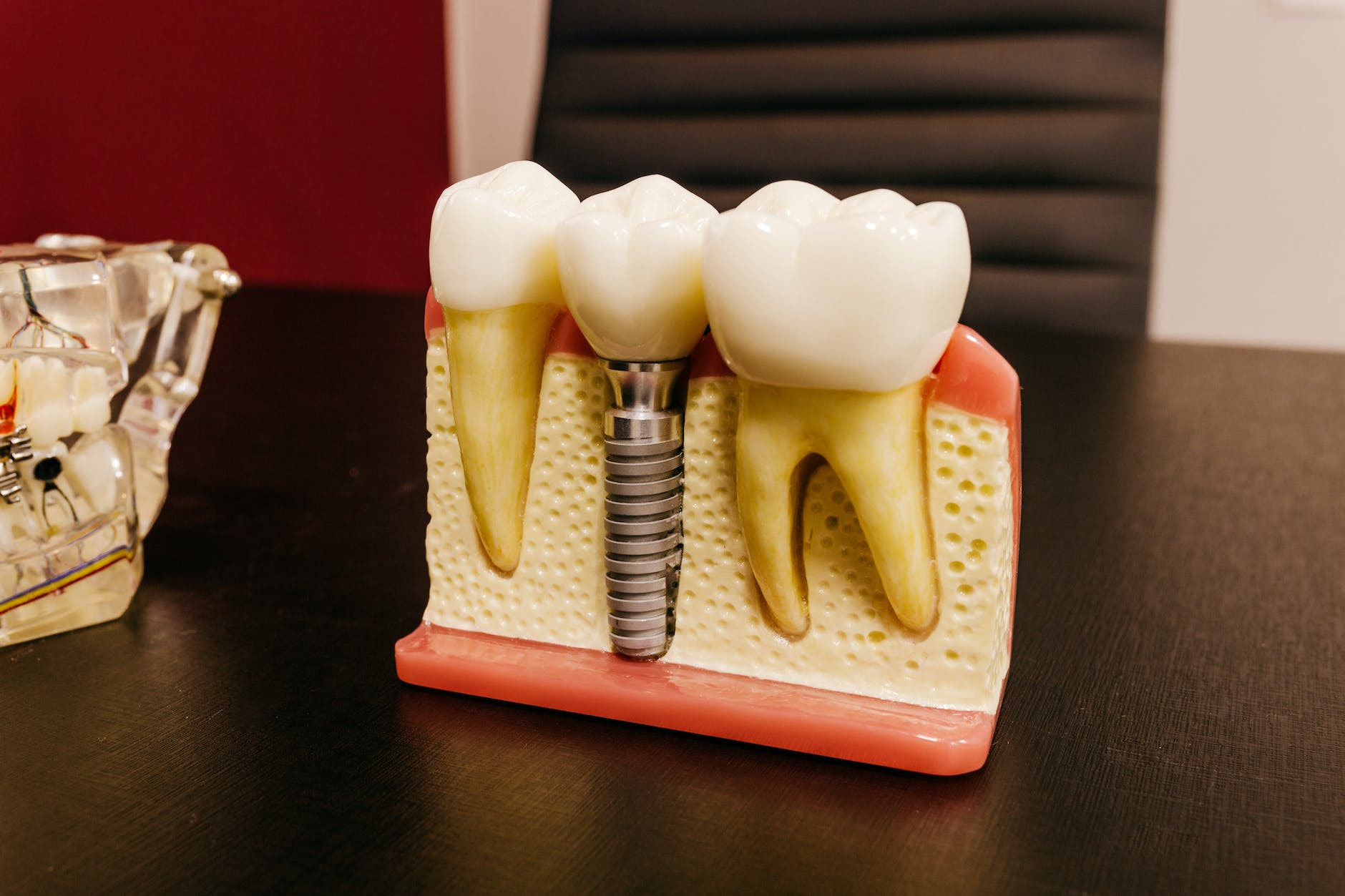
Learning the Truth About Dental Implant If you’ve lost—or are about to lose—one or more teeth, you’ve likely heard that dental implants are the best tooth replacement option that modern dentistry has to offer. This unique solution involves replacing your missing tooth roots with titanium metal rods that are then topped with a dental prosthetic like a crown, bridge, or denture. Other than this, though, you might not know much about implants, which might cause you to turn to the internet for answers. After all, the internet is a powerful tool, providing access to a wealth of information you wouldn’t otherwise know. Despite how incredibly useful it can be, there’s also misinformation online, and it can be hard to tell myth from fact. This is especially true of myths that once had a grain of truth to them or that had arisen from genuinely misunderstanding the details. Thankfully, you don’t have to sort through these details alone! Your dentist is here to help you through every part of the tooth-replacement process, including learning more about your treatment options. To help you do just that, we’ve put together a list of 5 myths about dental implants and the facts behind them. Getting dental implants can take months, and while this timetable can easily lead to the impression that it’s a complicated process, the truth is that it’s only a two to three-step process. That’s about as many steps as it can take to get a dental crown! During your first appointment, your dentist places the titanium metal rods that act as your new tooth roots into your jaw. This is where a lot of the time involved with getting a dental implant comes in—healing. You need time to heal between each procedure, especially after the first, when it’s important for the jawbone to have time to grow around your new tooth roots, holding them firmly in place. It can take several months, but the long-term results are worth the wait! The next step is placing the abutments, which are the metal pieces that will support your tooth restorations, onto your implants. Sometimes your dentist can do this during your first procedure, cutting down on treatment time. If it’s done as its own procedure, you’ll need to wait a few weeks for your gums to heal. Once the abutments are in place and you’re all healed up, you’re ready to come into our office for a final time to place your restoration and complete your beautifully restored smile! There’s no other way to put it—dental implants truly do have a stunningly high success rate! One study found that implants had a 98.6% survival rate after five years and that over 99% of patients said that they were pleased with the results of their implant procedure. That’s an amazing success rate for any surgical procedure, and the better you take care of your implants, the better the odds are that they’ll be successful and remain that way for a lifetime! Implants quite literally go beneath the surface, replacing your tooth roots. This means that they do much more than simply restore your chewing power—though this is also an important benefit that they manage much better than other tooth-replacement options. By replacing your tooth roots, implants also carry out the same jobs, providing stability to your new teeth and stimulating your jawbone. This last job is incredibly important because it keeps your jawbone strong and healthy and prevents the bone loss that goes along with tooth loss. This bone loss can change your face shape over time, making your jaw appear sunken. It’s this appearance that often makes denture-wearers so recognizable. By protecting your jawbone from resorption and keeping it healthy, the implants also maintain your facial features. Additionally, since your teeth play a role in both speech and self-confidence, dental implants make a huge difference in these areas as well! You never have to worry about dental implants shifting while you’re trying to eat or speak, and they provide a solid surface for your tongue to push off of so that you can enunciate. They feel completely natural, restoring the confidence you had in the function of your natural teeth before you lost them. Implants also look just as natural as they feel. Every aspect of their appearance, from their size and shape to their shade, is designed specifically for you and with your input to create a smile that you’ll love and feel truly confident sharing with the people around you! Due to the versatility and the unique, lifelong benefits that implants offer, they’re actually incredibly common. About hundreds of thousands in the Philippines have dental implants, and that number is only growing! In fact, it’s projected to grow double each year. As people realize the truth about dental implants, including just how effective they are and how much better they are for long-term health, more and more people are choosing them over traditional dentures and bridges. While it’s true that dental implants are more expensive at the outset than other tooth-replacement options like dentures, it’s important to realize before you make a final decision that dentures come with their own long-term costs. Dentures can’t stop bone loss in your jaw and can actually speed it up, and this process changes the way your dentures fit over time. As a result, dentists must evaluate traditional removable dentures every year to determine if they need to be adjusted so that they’ll continue to fit right. In addition to these frequent adjustments, the changes to the shape of your jaw as well as wear and tear on the dentures themselves mean that they need to be completely replaced every five to 10 years. This leads to continued, long-term costs throughout the life of your dentures. Dental implants don’t have these long-term costs. Once you get them, they’ll never need to be replaced. The restoration on top of your dental implants may eventually need to be replaced due to wear and tear, but this happens less

When is a Dental Filling Necessary?
If you have ever gotten a cavity, you most likely had it filled with a dental filling. Dental fillings are used to fill the space left by a cavity. When is a dental filling necessary? The recommended time for a dental filling is when your dentist detects the beginnings of tooth decay and not when you notice a hole in your tooth. Several steps lead to tooth decay, and you may experience symptoms before the cavity forms. The first stage of tooth decay is when the enamel on your teeth erodes. Enamel is the outer layer of your tooth that protects it from harm, and it is constantly bombarded with bacteria that cause it to wear down. When carbohydrates mix with saliva in the mouth, bacteria form that attack the enamel. If these bacteria are not removed with regular brushing and flossing, the enamel may deteriorate to the point that the dentin is exposed. If bacteria reach the dentin, tooth decay results, and you will begin to notice the symptoms of a cavity. These include: If you experience any of these, a cavity is likely to form. Consult a dentist if you experience any of these symptoms. They may be able to minimize your need for a filling. What if you experience pain after getting a dental filling? While you can expect to feel some pain after getting a dental filling, it should not last more than a day or two. However, if you continue to experience pain, there are some common causes. Composite fillings are known to cause sensitivity. It is fairly common for a composite filling to shrink, which causes a gap beneath it. If this becomes too uncomfortable to cope with, your dentist may replace it with a different material or alter the method used to install it. If the filling is not positioned correctly, you may experience malocclusion. This refers to a filling that is placed too high, which causes pain when you bite down. This can be easily fixed with a follow-up visit to your dentist. Rarely, an electric shock may occur if you have both amalgam and gold fillings that touch. The metals might combine to form an electric current. What are the different types of fillings? Fillings generally come in two varieties: metallic and non-metallic. In general, metallic fillings such as gold and amalgam are more durable than non-metallic fillings and can last up to 20 years before needing to be replaced, but they do not have the natural color of teeth. This makes them ideal for back teeth where they are less noticeable, and their durability means they can withstand chewing. Non-metallic fillings such as porcelain, composite, and glass ionomer look like natural teeth but are generally less durable than metallic fillings, making them typically more appropriate for front teeth. Dental amalgam is a common type of metal filling. They are silver in color and contain a mixture of different metals including tin, copper, silver, and mercury. Mercury is a key component because it reacts with the other metals and binds them into a highly durable material. Another type of metal filling is gold. Also called inlays or onlays, they are highly durable, just like dental amalgam. However, they are less popular than dental amalgam, and it is not guaranteed that your dentist will be able to install gold fillings. Composite fillings are non-metallic. Made of a mixture of resin and glass, they are less durable than their metal counterparts and need to be replaced more often, but have a natural color. Glass ionomer is another type of non-metallic filling. Made of powdered glass, they are an alternative to composite fillings if you are looking for natural color. One special feature of glass ionomer fillings is that they may release fluoride, which will strengthen your teeth and help protect them from cavities. Because amalgam fillings contain mercury, you may have concerns about their safety. Rest assured that they are not harmful, as they do not contain the type of mercury that is toxic to humans. Before receiving a filling, tell your dentist if you are allergic to anything that might be in a metal filling, such as copper or tin. Some people have allergies that prevent them from getting metal fillings. Keep In Mind: A dental filling is a common and effective way to reduce or eliminate pain caused by a cavity. Because there are many different types of fillings used for different scenarios, you will likely have choices as to what kind of filling you can receive. Request an appointment here: https://cosmodentalph.com/contact-us or call Cosmo Dental by Dr Segui and Associates at 0968-621-2551 (QC Office) or 0917-168-2289 (Makati Office).

Top 10 foods that are good for your teeth
We all know the secret to healthy teeth: brush regularly, floss regularly and keep sugars to a minimum. However, the food you eat can also play a part in maintaining a healthy mouth and, while no food will ever replace the need to brush, there are some that are surprisingly healthy for your teeth. 10. Chewing gum Whether or not this qualifies as food is debatable, and we would strongly advise against swallowing it. However, as many advertisements promise, chewing gum is indeed good for your teeth, provided it is sugar free. This is because chewing speeds up saliva production, which in turn helps rinse away harmful acids more effectively. As an added bonus, it makes your breath smell better. 9. Salmon Vitamin D is an essential vitamin for good oral health, as it effectively allows your body to better absorb calcium and put it to good use throughout your body. Salmon is packed full of both Vitamin D and calcium, making it an all-round superfood for helping to maintain healthy teeth and gums. 8. Carrots Carrots have been hailed a cavity fighting vegetable, as munching on sticks of crunchy, raw carrot acts as a natural toothbrush. The chewing action massages your gums, and this bright vegetable is high in plaque-attacking keratin as well as Vitamin A, which is crucial for strengthening delicate tooth enamel. All-in-all it’s a good choice for an in-between-meal snack. 7. Cheese Cheese is great for your teeth. Not only does it have high levels of phosphate and calcium, which naturally strengthen teeth and bones, but it also helps balance the pH level in your mouth, which means less harmful acid, more cleansing saliva and fewer cavities. 6. Yoghurt Unsweetened natural yoghurt makes a great healthy breakfast or snack. For the benefit of your teeth, yoghurt contains both casein and calcium, which strengthen enamel and help repair it if it happens to be damaged. 5. Sesame seeds Eating sesame seeds on their own, or baked into bread will help you in two ways. First of all, as you chew, they help to scrub plaque from your teeth and, secondly, they’re high in calcium. Just make sure any seeds caught between your teeth are removed as soon as possible. 4. Onions Raw onion is incredibly healthy for you, and as an added bonus, the antibacterial sulphur compounds contained in an onion will kill the harmful bacteria on your teeth. But you might want to chew gum afterwards! 3. Celery Celery gives your teeth a great workout. As you chew celery, it helps to clean your teeth and massages your gums in the process, while all that chewing will also produce plenty of saliva to neutralise bacteria. 2. Apples Apples are highly acidic and you could be forgiven for thinking that would weaken the enamel on your teeth. However, the natural sugars contained within apples actually help neutralise harmful acids in the mouth. As well as this, chewing apples is another good mouth workout for saliva production, and they’re packed with vitamins to keep your gums healthy. 1. Strawberries Strawberries are sweet, acidic and tend to stain things red, so how can they possibly be good for your teeth? Strawberries contain malic acid, which is actually a good natural whitener for enamel – eating strawberries will actually help keep your teeth free of stains. Just be mindful that strawberry seeds can get stuck between your teeth, so make sure you floss after eating them.

Good Dental Hygiene Habits For Kids
You want your child’s teeth to last all of his life, so it is important to teach him or her good dental habits. As your child grows, caring for his teeth will become a natural part of his daily routine. Good oral hygiene habits can limit or prevent problems such as cavities, gum disease and other dental issues. The best way to help your child form these habits is to start early, even before he is able to care for his own teeth. Gradually you can help your child learn to care for his teeth all by himself. Brush and floss Our team at Cosmo Dental wants you to feel comfortable caring for your child’s teeth. Start when you notice the first tooth has erupted. For children ages 3 or younger, use a soft bristled toothbrush designed for children with a little dab of toothpaste, no larger than a grain of rice. For children ages 3 or older, use a small amount of fluoride toothpaste, about the size of a pea. Start using a toothpaste containing fluoride once the child is able to expectorate. Continue to brush your child’s teeth twice daily using small, circular motions until he is ready to do it on his own. There are many fun products on the market, so let your child help choose his toothpaste or toothbrush. Usually, by age 6 or 7, children are able to brush properly on their own, although they probably still need reminders and supervision. When your child gets more teeth, especially when the teeth begin to fit closely together, it’s time to start flossing. Move the floss gently back and forth to remove trapped debris. Be careful not to yank the floss hard against the gums and ask your child to let you know if the flossing is uncomfortable. This is also when you may find out your child needs to have their first visit to an orthodontist to check their bite, jaw and development. Regular dental visits It’s important to take your child to the dentist after the first tooth appears, but no later than his or her first birthday. Thereafter, a child should visit the dentist twice a year for routine checkups and cleaning. These visits also give you the opportunity to ask any questions you may have about your child’s dental care. Remember that baby teeth are not only the first set of teeth, but are also saving places for the adult teeth to come later. Some adults are nervous about visits to the dentist, however it is important to lead by example. If you are calm, your demeanor has a positive effect on your child’s behavior during the visit. Habits to avoid Eating foods loaded with sugar, candy (particularly sticky or gummy candy) or juices can cause cavities. This is also true of sweetened liquid medicines. Have your child brush his teeth or rinse his mouth after consuming these items. Teach your child to avoid chewing on ice. It is an easy habit to fall into, but it can destroy tooth enamel, leaving your teeth susceptible to decay. Chewing ice can also crack or chip teeth. Eat a healthy diet A healthy diet should include options from all the major food groups. Offer a well-balanced diet that limits starchy and sugary foods, as these can lead to tooth decay. Make sure to include calcium for strong teeth. Encourage your child to drink water instead of soda or juice. Keep your pantry stocked with fresh fruits and vegetables to encourage “healthy snacks.” Some of these, such as bananas and raisins, contain concentrated sugar so your child should brush after eating them. In addition to caring for your child’s teeth, model good dental hygiene on a daily basis. Brush together twice a day. Don’t treat it as a chore, but rather have fun with it. The habits you create today will last a lifetime! If you have yet to find a dental home for your child, request an appointment at Cosmo Dental Eton Centris QC OR Eton Tower Makati office.

What Causes Plaque Buildup?
Plaque buildup on teeth is caused by plaque-producing bacteria that feed on sugar and produce acids as a waste product. The bacteria quickly multiply in the plaque film, causing further plaque buildup which, if left unchecked for too long, can lead to cavities, gum disease and tooth decay. Therefore, it’s important to keep plaque from accumulating on your teeth for a very long in order to maintain good oral health. Regular brushing twice daily with fluoride toothpaste and flossing your teeth once a day can help remove plaque before it turns into tartar. Additionally, regular dental checkups are important to ensure any plaque buildup is removed regularly. In this article, we will go over strategies to make sure you limit the amount of plaque buildup so that you can have a healthy and beautiful smile. Cutting down on soft drinks Soft drinks are a common leader for plaque build-up. Since they are often high in sugar, acid is released that breaks them down and can be harmful to how you eat and drink. When left unattended, a plaque buildup from too many soft drinks can hurt your gums as well, often leading to forms of gum disease. Cutting soft drinks out of your diet entirely isn’t necessary to avoid plaque buildup. It just is recommended to lower your intake to ensure that your teeth stay healthy in the long term. Brushing and Flossing Regularly brushing your teeth twice a day with fluoride toothpaste is important to help plaque from accumulating. Additionally, flossing once a day can help remove plaque before it turns into tartar. Brushing after each meal will also help keep plaque levels down and protect your teeth from plaque buildup over time. Regular Dental Visits Another important way to minimize plaque buildup is to visit your dentist regularly. During a dental checkup, plaque and tartar can be removed in order to get rid of any plaque that may already have built up. This helps ensure that plaque doesn’t build up too much and cause more serious problems. Starch-heavy foods Any foods with heavy starch also are prone to increase plaque buildup. Now, these would require a more serious diet change to really see a big difference. In order to see results here with your teeth, it’s recommended to improve your brushing and flossing methods. This will lower the amount of change in your day-to-day and simply improve the quality of your teeth care. Including foods that are high in calcium and phosphorus can help your teeth stay healthy and plaque-free. Eating fruits, vegetables, and dairy products can help protect your teeth from plaque buildup by providing them with the nutrients they need to remain strong. I have heavy plaque formed, what can I do? In your day-to-day, increase the quality and frequency of care for your teeth. This doesn’t mean to scrub more aggressively, but simply to take your time and hone in on which areas are affected. In order to be made aware of which areas to target, seeking professional assistance is a common first step. Give Cosmo Dental a call today and schedule an appointment. We have 2 office locations: QC and Makati. We’ll get you back to feeling yourself again, and lowering the risk you have for plaque buildup and gum disease. We’re really looking forward to speaking with you soon!

5 reasons to get a dental check up in January
Due to the nature of oral health, as dentists we spend much of our time fixing and repairing when things go wrong. Many people don’t learn early on how to properly care for their teeth, and as a part of our anatomy that experiences a huge amount of daily wear and tear our teeth and gums can be subject to more issues than most areas. Despite this, our focus as responsible medical professionals is often on preventative treatment. Our role as dentists is also to help you to stay as healthy as possible, minimising the amount of corrective treatment required throughout your life. And one of the most important steps you can take towards a healthier, happier smile is keeping up with regular hygiene appointments. After the indulgent festive period, January is a great time to get your yearly check-up and have your teeth thoroughly cleaned. Here are just five reasons you should book an appointment with Cosmo Dental this January. 1. Timing is everything Throughout the year we’re often too busy to keep appointments even when we know they’re important. One issue we hear regularly from clients is hectic schedules getting in the way of their health and wellbeing – as essential appointments end up getting missed or endlessly rescheduled. One way to combat this is to stick to one month each year which we set aside for important appointments – and January is a fabulous choice. January (especially within the first couple of weeks) can be quieter as people’s schedules (personal and professional) readjust to the new year. When you know your appointment is always within the first one to two weeks of the year, you’re more likely to remember and keep an appointment with your dentist each year. 2. Identify potential issues sooner, rather than later One of the main advantages of hygiene appointments and check-ups is that they allow us to have a good look at your teeth and gums, and ensure everything is as it should be. As with most things, identifying potential problems early on can prevent them becoming major issues and minimise the amount of treatment they need. This can also save you a lot of time, money and pain or discomfort further down the line, so checking in occasionally on the health of your teeth really is essential if you want to avoid extensive treatment in the future. 3. Get teeth thoroughly cleaned post-festivities December is naturally a time for over-indulgence, often featuring plenty of rich food and alcohol. Whilst these tasty treats are part of what makes the festive period so enjoyable, they’re not so good for our teeth. A build-up of rich food can get stuck and lodged between teeth, and acidic drinks can leave a coating on teeth or contribute to plaque – the thin, sticky invisible film that eventually over time causes tooth decay. A thorough clean will go some way to remedying festive overindulgences, so you can start with a sparkling clean slate as you start the new year. 4. Obtain advice and tips you can take with you throughout the year As we age, naturally our health and needs evolve. Our dentists can provide you with personalised advice to help you take tip-top care of your teeth this year, based on your current situation. They may advise a new toothbrush or daily oral care routine, or suggest corrective treatment. This is a great opportunity to discuss any minor concerns you may have or need advice on, such as sensitivity or teeth grinding. 5. Feel fresh and clean as the year begins What better way to start the brand new year than with a fresh, clean smile? A hygiene appointment in January builds a firm foundation for the rest of the year, even if you only make it to one annual check-up. If you want to go a step further and are considering cosmetic treatment, the new year is a great time to start.

Clear Aligners
What Are “Clear Braces” Systems Like K Line? K Line Aligners and other clear-aligner treatments are orthodontic devices that, like braces, help to straighten teeth and correct bite patterns over time. Unlike traditional braces, K Line Aligner employs transparent plastic trays (similar to athletic mouthguards) that fit snugly over the teeth. How Do They Work? The process begins with a checkup and consultation to determine if you’re a good candidate for K Line or similar clear aligner system. After you have been confirmed as a good candidate, the doctor will digitally scan your teeth and custom fit you for a series of clear, BPA-free plastic aligners. At the next appointment, you will receive your first batch of trays. Your doctor will ensure a proper fit, answer any questions you have, and let you know what to expect going forward. From there, you will have to wear your aligners between 20 and 22 hours per day. As you wear the trays and swap them out for a new set every two weeks, your teeth will gradually shift into the correct, straighter position over time. While aligners alone are sufficient in most cases, some patients might need to have raised “buttons” attached to the surface of teeth to help provide extra traction for teeth to shift. Throughout the treatment, you will have to return to the dentist’s office about once every six to eight weeks to have your progress evaluated and received the new sets of aligners you’ll be using until the following appointment. How Do I Care for My Teeth During Clear Aligner Treatment? As mentioned, your aligners need to be worn for at least 20 hours each day; really, the only times they should be removed are when you’re eating, drinking hot beverages (the heat can warp the shape of the trays), or brushing your teeth. Since the plastic aligners completely cover your teeth, it’s very important that you brush your teeth after each meal or snack to make sure that there isn’t any food trapped against them. Even after a clear aligner treatment is completed, most patients will have to continue to wear a nighttime retainer to maintain the results they’ve achieved. What Are the Advantages of Clear Aligners Versus Traditional Braces? In addition to the benefit of straighter teeth that all orthodontic devices can deliver, there are several significant advantages that clear aligners have over traditional braces: What Kind of Tooth and Bite Issues Can Be Corrected with Clear Aligners? Beyond the normal straightening of crooked teeth, K Line and other clear aligners can help correct a number of issues: Until fairly recently, metal braces were almost always superior to clear aligners when it came to handling these orthodontic issues. However, K Line and other companies have continued to innovate and produce technology that now delivers results that are comparable to metal braces. How Long Do Clear Aligners Take to Straighten Teeth and Correct Bite Issues? The length of time required to completely achieve a person’s orthodontic goals with K Line or similar clear aligners is – as is the case with metal braces – going to vary a great deal depending on the particular issues being addressed. Some individuals’ teeth can be completely straightened in as short as six months. For certain issues, like overcrowding, the treatment can take 24 months or longer. As a fairly broad rule, most clear aligner treatments take between 9 and 18 months to complete. How Much Do Clear Aligner Treatments Cost? As with treatment time for clear braces, treatment cost will likewise vary considerably depending on your particular circumstances. The major factors affecting the cost to you include your oral health, how much orthodontic work needs to be done and where you live.

Why Change Your Toothbrush Every 3 Months
Brushing your teeth is a vital part of maintaining your oral health. We’re taught how to brush our teeth from an early age and told we should brush at least twice a day. Beyond the frequency that we brush our teeth, we also need to make sure that we’re using the appropriate techniques, as well as using quality toothbrushes. At Cosmo Dental, Dr. Segui and her associates recommend replacing your toothbrush once every three months or sooner. Many people believe that the idea that you should change out your toothbrush every 3 months is a marketing technique to buy more toothbrushes. However, there are multiple reasons why dental professionals recommend changing your toothbrush every three months. Bacteria Buildup. For one, after you brush your teeth, bacteria and plaque inhabit your toothbrush. In a similar way that dirt becomes transferred to a sponge when you clean, bacteria also become transferred to toothbrushes. The longer you use a certain toothbrush, the more bacteria will take over the brush. Worn Out Bristles. Another reason you should change your toothbrush every three months is that over time, your toothbrush bristles will become worn out. Worn-out bristles tend to be more abrasive on your gums, which can lead to premature gum recession and inflammation in your gums. After Sickness. If you are dealing with a cold, flu, or other viral infection, you should change your toothbrush to avoid reinfecting yourself. Viruses and bacteria can remain in your toothbrush bristles, leading to cross-contamination into your family’s toothbrushes or reinfection. You should dispose of your toothbrush after sickness, and replace it with a fresh toothbrush. SIGNS TO REPLACE YOUR TOOTHBRUSH You might need to replace your toothbrush sooner than three months. If you brush with too much pressure, you will probably notice your bristles becoming worn out before three months. As soon as you realize that your toothbrush bristles are pointing in the wrong direction or becoming worn down, you should replace it. However, as a general rule of thumb, you should try to replace it every three months. Keeping Your Toothbrush Clean People might try to use various cleaning agents to clean their toothbrushes after dropping them or getting sick. Unfortunately, this can actually cause more harm to your teeth and gums. To keep your toothbrush as clean as possible, make sure you rinse it well after use, then let it air dry. Avoid storing your toothbrush in a small and enclosed space, as this promotes the growth of bacteria. When storing your toothbrush in a cup or toothbrush holder, avoid letting it touch other toothbrushes, which can transfer bacteria. Oftentimes, patients try to sterilize their toothbrushes by boiling, microwaving, or washing them in a dishwasher. Exposing your toothbrush to excessive heat can warp your brush’s bristles, making them less effective at cleaning your teeth. SHOULD YOU USE AN ELECTRIC OR MANUAL TOOTHBRUSH? It is hard to say if an electric toothbrush or manual toothbrush is better for your oral health. After all, not all electric toothbrushes and not all manual toothbrushes are created equal. Some electric toothbrushes are more effective than others and vice-versa. Whether you want an electric or manual toothbrush is a matter of preference. For instance, if your manual toothbrush is working for your oral health situation, and you have not experienced decay or cavities, it is better to not change your habits. However, if you have a hard time reaching certain teeth or deal with regular cavities and decay, then we recommend switching to a more effective electric toothbrush. Electric toothbrushes can also be a good option for the elderly when coordination and strength are lacking. Beyond using proper brushing habits, it is also important to make sure you are going to the dentist twice a year for professional cleanings, as well as flossing daily! Want to know more about your oral health routine? Schedule an appointment with your COSMO DENTAL Eton Centris QC at 0968621-2551 or Eton Tower Makati at 0017-168-2289.
Wisdom Teeth Problems: Do I Really Need To Get My Wisdom Teeth Removed?
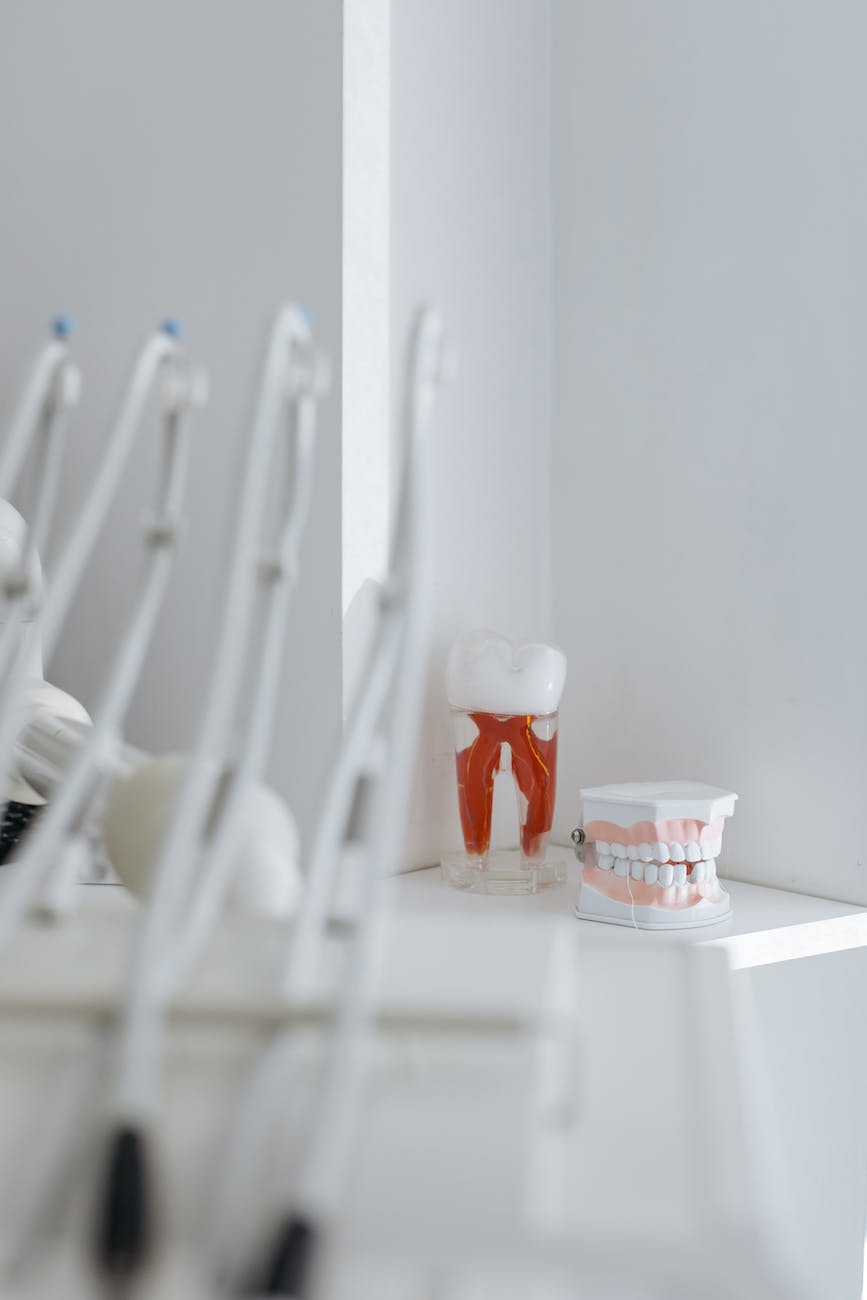
Whether you are a teenager, parent, or grown adult, you’ve probably heard someone tell you about getting wisdom teeth removed. And, we get it.….. hearing about a dental surgery procedure is never fun or exciting. If you haven’t had your wisdom teeth removed yet, you’re probably wondering: Getting your wisdom teeth removed has become a sort of rite of passage – but not everyone needs to have their wisdom teeth removed. Let’s find out if you need this procedure andwhat can happen if you keep your wisdom teeth. What are Wisdom Teeth? Wisdom teeth get their name because they usually come in when you are older, and one would hope, wiser. You can expect these teeth around the ages of 17 to 21. These teeth are located behind all your other teeth, in the very back of your mouth. You can expect two on the top and two on the bottom. Although, this isn’t the case for everyone, but more to come on that. Wisdom teeth are molars and complete your set of 32 adult teeth. These molars are the toughest of them all, used to grind food, which is why they are wide… And also cause a lot of problems. These wisdom teeth problems are why, more often than not, they need to be removed. Why do I need my wisdom teeth removed? Here are the four main reasons why your dentist may say you need your wisdom teeth removed: They are impacted: This means your wisdom teeth cannot come in properly. Most often they lie horizontally, instead of upright, and remain below the gumline. Impacted wisdom teeth can cause a whole lot of pain. They come in at the wrong angle: By not coming in straight and upright, they can push against and damage your surrounding teeth. Your mouth isn’t big enough: Simply put your jaw does not have enough room for an extra set of molars. Some people theorize that this is because our jaws have changed over time from our diets. You can’t maintain optimal oral health: If you can’t reach your wisdom teeth with your toothbrush and floss, then you are going to be more susceptible to cavities (and this so true for a lot of our patients!) If you ignore your dentist’s advice and keep your wisdom teeth, then you will be putting your oral health at risk. Here’s how… Common Wisdom Teeth problems Before you read our list of wisdom teeth problems, you should know that: Each year, thousands of wisdom teeth are removed in the Philippines. This is a very common procedure and for good reason. If you ignore your dentist’s recommendation to have your wisdom teeth removed, then watch out for these common wisdom teeth problems This is a very common procedure and for good reason. If you ignore your dentist’s recommendation to have your wisdom teeth removed, then watch out for these common wisdom teeth problems Jaw damage: Cysts can form around unsuitable wisdom teeth. If left untreated, they can destroy bones, roots, and nerves. If a cyst turns into a tumor, you may require surgery. Ruin your smile: If your extra set of molars do not grow in properly, they can push your other teeth, causing mouth pain and bite problems. Have you had braces? This could throw it all out the window and may require more orthodontic work to straighten everything out. Cavities and gum disease: Inflamed gums can be hard to clean. As pockets between the teeth and gums form, bacteria can grow, which can cause cavities and gum disease – the number one cause of unintentional adult tooth loss. Sinus Pain: Wisdom Teeth in your upper jaw can push against your sinuses, leading to pain, pressure, headaches, and congestion. When should I get my Wisdom Teeth Removed? There is no exact age for wisdom tooth removal. However, the general rule of thumb is: THE YOUNGER, THE BETTER. THE ASYMPTOMATIC YOUR CASE IS, THE BETTER As you get older, your bones become more brittle which can make the removal and recovery procedure more difficult. Hence, if you or your teenage child have never had a wisdom tooth evaluation, then we HIGHLY recommend you schedule one with your dentist or with us (because truth of the matter, it gets problematic over time and we seriously cannot stress this enough): Your dentist will use x-rays to determine the following: If you have wisdom teeth – you may not even know if they are hidden! If you need to have wisdom teeth removed When you should have your wisdom teeth removed If you need wisdom teeth removed, you and your dentist will create a treatment plan. To save time, you may be able to have multiple teeth removed in one appointment. So, do I need my wisdom teeth removed? This is honestly a question for your dentist. Just because you have wisdom teeth doesn’t necessarily mean you need them removed. There are chances your wisdom teeth will grow perfectly straight and healthy. Or you might be missing one or more wisdom teeth. After all, wisdom teeth are the most commonly missing teeth in Filipino Adults. Lastly, many Filipinos with wisdom teeth get theirs removed to ensure their oral health, comfort and healthy smile. Hence, to answer the question, “Do I need my wisdom teeth removed?” contact your dentist today to schedule an appointment or bring it up on your next dental check up.


