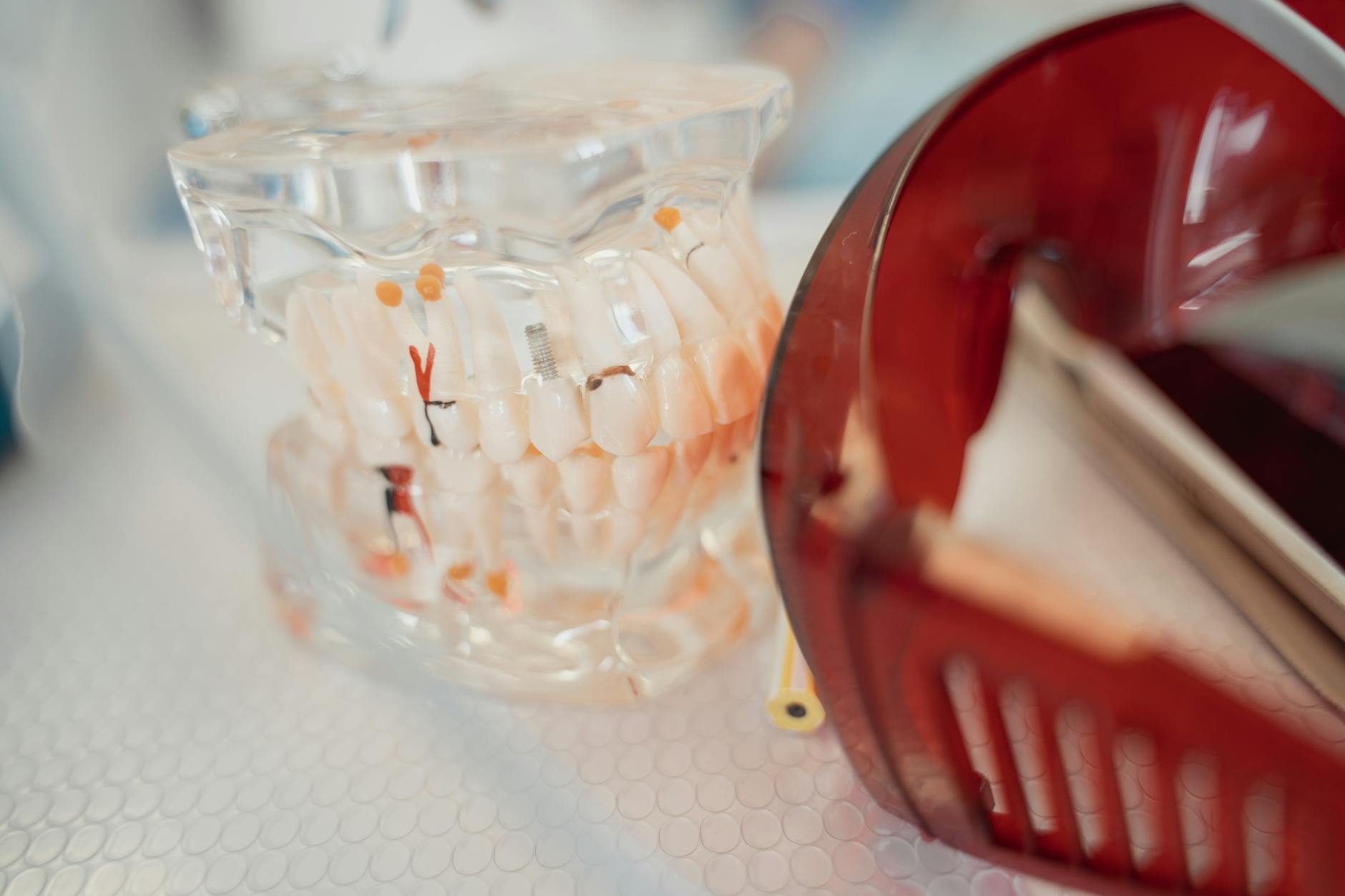
When it comes to replacing missing teeth, dental implants and dentures are two of the most popular options. But how do you know which one is best for your needs? At Cosmo Dental, we understand that this decision can be overwhelming, so we’ve outlined the key differences between these two treatments to help you make an informed choice. What Are Dental Implants? Dental implants are a permanent solution to replace missing teeth. They involve a titanium post that is surgically inserted into the jawbone to act as a replacement root for a missing tooth. After the implant fuses with the bone in a process called osseointegration, a crown is placed on top to restore the tooth’s function and appearance. Pros of Dental Implants: • Permanent Solution: Once placed, dental implants are designed to last a lifetime with proper care. • Natural Look and Feel: Implants function like natural teeth and improve your ability to chew and speak. • Preserve Jawbone Health: Implants help prevent bone loss in the jaw, which is common when teeth are missing. • No Impact on Adjacent Teeth: Unlike bridges, implants do not require altering nearby healthy teeth. Cons of Dental Implants: • Higher Initial Cost: Implants tend to be more expensive than dentures or bridges. • Surgical Procedure: The process requires surgery, which can take several months for full recovery. • Not Suitable for Everyone: If you have insufficient bone density, you may require bone grafting or might not be a candidate for implants. What Are Dentures? Dentures are removable appliances that replace missing teeth and surrounding tissues. They come in two main types: full dentures (which replace all the teeth in the upper or lower arch) and partial dentures (which fill in the gaps created by missing teeth while preserving the remaining natural teeth). Pros of Dentures: • Affordable Option: Dentures are typically less expensive than dental implants. • Non-Invasive: Getting dentures doesn’t require surgery, making the process quicker and less invasive. • Easy to Adjust: Dentures are removable, so they can be adjusted and repaired relatively easily. Cons of Dentures: • Temporary Solution: Dentures may need to be replaced over time, and they may not fit as well as when they were first made. • Less Stability: Because dentures rest on the gums, they can sometimes slip or shift when speaking or eating • Requires Maintenance: Dentures need to be cleaned regularly, and the wearer must remove them at night. Which Option Is Right for You? The right choice between dental implants and dentures depends on your specific needs, budget, and health condition. • Choose Dental Implants if: You want a long-lasting, natural-looking solution and are healthy enough for the procedure. • Choose Dentures if: You’re looking for a more affordable, non-invasive option and are okay with the maintenance required. At Cosmo Dental, we offer consultations to discuss your options and help you find the best solution for your smile. Contact us today to schedule an appointment and take the first step toward a confident, healthy smile!

Smiling Into 2025: Why December is the Perfect Time for a Dental Checkup
As the year draws to a close and the holiday season approaches, the focus shifts to family gatherings, celebrations, and preparing for 2025. Amid all the excitement, one crucial aspect that often gets overlooked is taking care of your oral health. December is not just about gift shopping or planning resolutions—it’s an ideal time to book a dental checkup and finish the year with a healthy, confident smile. Here’s why visiting Cosmo Dental this December is a smart decision and how it can help set you up for a healthy and beautiful 2025. 1. Keep Your Smile Sparkling for Holiday Photos The holidays are filled with moments that will last a lifetime: family photos, office parties, and gatherings. Whether it’s a candid moment or a planned holiday card photo, you’ll want to look and feel your best. A visit to Cosmo Dental before the year ends can ensure your smile is picture-perfect. Consider a professional cleaning or teeth whitening session to enhance your smile, so you can enjoy the holiday season with confidence. With our modern cosmetic services, we’ll help you achieve the bright, radiant smile you deserve. 2. Finish the Year Strong by Taking Care of Your Teeth It’s easy to forget about your oral health in the hustle and bustle of the season, but regular checkups are crucial to maintaining a healthy mouth. A visit to Cosmo Dental this December ensures that you’re starting the new year with a clean slate. During your checkup, our team will assess your oral health, check for any potential issues like cavities or gum disease, and give you tips for better care in the year ahead. Catching small problems now can help you avoid larger, more costly issues in the future. It’s an investment in your long-term well-being! 3. Avoid Last-Minute Dental Emergencies Dental emergencies don’t happen at convenient times—and the holidays are no exception. From a sudden toothache to a broken filling, dental issues can quickly put a damper on your festive mood. December is the perfect time to take care of those lingering concerns, whether it’s a routine cleaning, filling, or preventive care, so you’re not scrambling during the busy holiday season. By visiting us before the year ends, you can rest easy knowing that any dental issues have been addressed and you’re prepared for any emergencies that might arise in the future. 4. No Insurance? No Problem! At Cosmo Dental, we believe in offering high-quality, personalized care without the need for deals or insurance. We pride ourselves on providing clear, transparent pricing, so you always know what to expect when you visit us. While we don’t work with insurance, our affordable services and expert care ensure that you receive the best treatment without surprises. Our goal is to provide the highest standard of dental care in a comfortable and stress-free environment, and we believe every patient deserves to feel confident in their smile—without worrying about navigating complex insurance policies. 5. Make Oral Health Part of Your New Year’s Resolutions As the new year approaches, it’s the perfect time to set goals for better health. A key part of a healthy lifestyle is maintaining good oral hygiene, which can have a big impact on your overall well-being. This December, take a few minutes to reflect on your oral care habits and make a commitment to take better care of your teeth in the coming year. Here are some simple resolutions you can make for a healthier smile in 2025: • Brush and floss daily to remove plaque and reduce the risk of gum disease. • Limit sugary snacks and drinks to protect your teeth from decay. • Visit the dentist regularly to stay on top of preventive care. Starting the year with a proactive approach to your oral health will keep your smile in top shape all year long. 6. Prepare for the Year Ahead with a Plan for Your Dental Care Planning ahead is always a good idea, and this is especially true when it comes to dental care. December is a great time to assess any upcoming treatments, such as orthodontics, cosmetic procedures, or restorative treatments like dental implants. By planning ahead, you can make sure you’re staying on track with any necessary procedures and scheduling them at a time that works best for you. If you’re considering any cosmetic dental work or more advanced treatments, a consultation now can help you understand your options and set goals for your smile in 2025. Book Your Appointment at Cosmo Dental Today The holidays are a time to take a breather, but it’s also an opportunity to take care of yourself and your health. Don’t wait until the new year to address any dental concerns. Visit Cosmo Dental this December for a thorough checkup and treatment, so you can ring in 2025 with a confident, healthy smile. We’re here to provide exceptional care, whether you need a routine cleaning, cosmetic treatment, or simply want to maintain your smile’s health. Wishing you a joyful December season and a bright, beautiful 2025 from the Cosmo Dental team!

CAN A TOOTH ABSCESS CAUSE A SINUS INFECTION OR HEART DISEASE?
When it comes to what brings patients into our Cosmo Dental office for oral surgery, it’s not always about the pain. A tooth abscess is often the first sign of a tooth infection or fracture. A tooth abscess may also cause a sinus infection or headaches, which are also key indicators that you may need a tooth extraction or root canal. If you have an abscess on your gums, you should seek dental treatment as soon as possible. Abscesses will eventually lead to tooth and gum pain, as well as sinus infections. Further, studies have shown that drainage from the site may contribute to heart disease. Following are several things you should know about tooth abscesses and their relationship to sinus infections. What is a Dental Abscess? A tooth abscess is a bubble of pus that’s caused by a bacterial infection. It may be located at the root of the tooth or on the gums near the affected tooth. It is usually due to an untreated cavity or injury. In some cases, our doctors and specialists can treat the issue with a root canal or other procedures, but at other times, such as in the case of a fracture, a dental extraction may be necessary. The abscess may burst on its own, providing some temporary relief, but eventually it will return. If this cycle continues for too long, it may lead to various health complications. Bacterial infections in your mouth may lead to infections in your blood stream, endanger your bone health, and eventually put your heart at risk. The fluid found in the abscesses has been linked with harmful buildup in the arteries. Can a Tooth Abscess Cause a Sinus Infection? A tooth abscess may cause a sinus infection, as can almost any type of bacterial infection in your upper teeth. In fact, there’s a name for this type of sinus problem: maxillary sinusitis of endodontic origin. The maxillary sinus is located behind the cheekbones close to the roots of the upper back teeth. Therefore an infection in the upper teeth can spread to the maxillary sinus rather easily. Symptoms of this type of sinus infection include post nasal drip and sinus congestion. Tooth Infection Treatment Antibiotics may provide temporary relief, but eventually the tooth must be treated to resolve the sinus problems and prevent further risks to your overall health. Ironically, many patients don’t feel pain in this situation because the affected tooth may have already had a root canal in the past. The patient may even have this infection or fracture for years before abscesses form. This is just another reminder about how important it is to see us twice a year for dental checkups. We can take X-rays and analyze your teeth more completely to identify sources of concern that you might not notice. Treatments for teeth that are causing the abscesses depend on the source of the problem. If an extraction is the solution, remember that we can also replace this tooth with dental implants or a dental bridge in the future. If any of this sounds like what you have been experiencing, make an appointment today to see our dentists at Cosmo Dental. Schedule an appointment online or call us at 0968-621-2551.

How Stress Harms Your Oral Health
If you’re feeling it, you’re not alone. According to Gallup’s 2022 State of the Global Workplace survey, stress levels have risen to a new all-time high globally, with the Philippines having one of the highest levels of stress of any nation. And the forecast calls for increasing stress in 2024. Gallup’s data revealed Filipino respondents anticipate they’ll be more stressed in 2024. Stress is unfortunately a fact of life, but in today’s times stress levels are at all-time highs. With the mounting stress of the world and the added day-to-day stress of our multi-tasking lives, it’s no wonder. Living with on-going stress impacts our mental health and it causes physical issues, as our bodies absorb and manifest the increased tension in different ways – from back aches, stomach issues, to…our oral health. Stress wreaks havoc on your teeth and gums. 5 Ways Stress Harms Your Oral Health Lean On Us to Reduce Oral Health StressWhile we can’t take the stress of the world off your shoulders, we can take the worry of your oral health off your plate. And you can rely on us to make sure that your dental visits at Cosmo Dental are painless and as pleasant as possible. If you’ve been feeling stressed lately, you’re not alone – we’re all in this together. When it comes to your teeth, we’ll be your team to restore them to their optimal health and to protect them during these stressful times. Don’t let stress harm your beautiful smile. If you notice signs of teeth grinding, clenching or sensitivity please call us at to schedule an exam and consultation, or request your appointment here.

5 DENTAL HABITS TO MAKE & BREAK IN 2024
Many people like to kick off the new year with a list of plans and resolutions that they hope to accomplish. However, most of us don’t consider adding improving our dental hygiene to the list. Here are a few tips to keep your smile strong as you navigate the new year: 5 HABITS TO MAKE 5 HABITS TO BREAK

5 reasons to get a dental check up in January
Due to the nature of oral health, as dentists we spend much of our time fixing and repairing when things go wrong. Many people don’t learn early on how to properly care for their teeth, and as a part of our anatomy that experiences a huge amount of daily wear and tear our teeth and gums can be subject to more issues than most areas. Despite this, our focus as responsible medical professionals is often on preventative treatment. Our role as dentists is also to help you to stay as healthy as possible, minimising the amount of corrective treatment required throughout your life. And one of the most important steps you can take towards a healthier, happier smile is keeping up with regular hygiene appointments. After the indulgent festive period, January is a great time to get your yearly check-up and have your teeth thoroughly cleaned. Here are just five reasons you should book an appointment with Cosmo Dental this January. 1. Timing is everything Throughout the year we’re often too busy to keep appointments even when we know they’re important. One issue we hear regularly from clients is hectic schedules getting in the way of their health and wellbeing – as essential appointments end up getting missed or endlessly rescheduled. One way to combat this is to stick to one month each year which we set aside for important appointments – and January is a fabulous choice. January (especially within the first couple of weeks) can be quieter as people’s schedules (personal and professional) readjust to the new year. When you know your appointment is always within the first one to two weeks of the year, you’re more likely to remember and keep an appointment with your dentist each year. 2. Identify potential issues sooner, rather than later One of the main advantages of hygiene appointments and check-ups is that they allow us to have a good look at your teeth and gums, and ensure everything is as it should be. As with most things, identifying potential problems early on can prevent them becoming major issues and minimise the amount of treatment they need. This can also save you a lot of time, money and pain or discomfort further down the line, so checking in occasionally on the health of your teeth really is essential if you want to avoid extensive treatment in the future. 3. Get teeth thoroughly cleaned post-festivities December is naturally a time for over-indulgence, often featuring plenty of rich food and alcohol. Whilst these tasty treats are part of what makes the festive period so enjoyable, they’re not so good for our teeth. A build-up of rich food can get stuck and lodged between teeth, and acidic drinks can leave a coating on teeth or contribute to plaque – the thin, sticky invisible film that eventually over time causes tooth decay. A thorough clean will go some way to remedying festive overindulgences, so you can start with a sparkling clean slate as you start the new year. 4. Obtain advice and tips you can take with you throughout the year As we age, naturally our health and needs evolve. Our dentists can provide you with personalised advice to help you take tip-top care of your teeth this year, based on your current situation. They may advise a new toothbrush or daily oral care routine, or suggest corrective treatment. This is a great opportunity to discuss any minor concerns you may have or need advice on, such as sensitivity or teeth grinding. 5. Feel fresh and clean as the year begins What better way to start the brand new year than with a fresh, clean smile? A hygiene appointment in January builds a firm foundation for the rest of the year, even if you only make it to one annual check-up. If you want to go a step further and are considering cosmetic treatment, the new year is a great time to start.

5 Ways You Can Hurt Your Teeth When You Exercise!
Exercise is good for your body, and your teeth. Studies show that exercising regularly helps lower your risk of developing gum disease by 54%. In fact, even occasional exercise will reduce your risk by 33%. So, is there any risk to your teeth and gums from exercising? That depends. Sometimes your fitness and physical activities can present certain risks to your oral health. 5 Things that Can Damage Your Teeth When You Exercise Dental Injury – Damaging your teeth during physical fitness and recreational activities is definitely a risk of exercise. Every year more than 3 million teeth get knocked out playing recreational and sports activities. Blunt force from a ball, bat, an elbow or a foot can do a lot of damage. But so can many sports and activities that involve motion – biking, playing basketball, soccer or volleyball, boxing. Wearing a sports mouth guard when you’re out their playing offers insurance against the cost and hassle of replacing a missing tooth. Our custom designed sports mouth guards will fit comfortably to your unique teeth and bite, compared to the boil and bite mouthguards you can buy at the store. They’ll feel good, and look good (choose from several colors!) when you’re out playing hard. Sports Drinks, Energy Bars & Gels – Take it easy on sports drinks, energy bars and gels to fuel or refuel your body when you’re exercising. Sports drinks do offer plenty of electrolytes, but they’re also loaded with sugar and are highly acidic. This combo can quickly erode the enamel of your teeth and promote tooth decay. In fact, drinking some sports drinks consistently for as little as five days can damage your teeth. Energy bars and gels are also high in sugars and they can stick to your teeth, and linger there longer, which will contribute to a build up of cavity causing bacteria. Your Saliva Flow & Composition Can Change – Excessive exercise could also damage your teeth by changing the composition and flow of your saliva. More workout hours logged per week could result in a higher risk of cavities. A study noted that there was a significantly higher rate of tooth erosion in triathletes compared to non-athletes. In addition, the researchers found that athletes who engaged in more weekly training had more cavities than those who trained less. Why? People who spend a considerably more time exercising had a higher pH or alkaline content in their saliva, while also producing less saliva. It seems that this combination neutralizes the proteins in saliva that can fight off bacteria and help prevent tooth decay. Without a healthy saliva flow, food particles and bacteria linger in your teeth, as aren’t flushed away. Keeping well hydrated while you exercise, and afterwards, will help combat your dry mouth. But sometimes chronic dry mouth may be a result of a health issue, such as diabetes, or from taking various medications, such as antihistamines or decongestants for allergies. If you believe you suffer from chronic dry mouth, please contact us to schedule an exam. Clenching Your Teeth – Exercise-induced-bruxism (teeth clenching and grinding) can also damage your teeth. Impact sports and recreational activities like skateboarding can increase your risk of a tooth injury, but so can doing certain exercises like lifting weights. Whether you’re squatting or deadlifting, the strain you are exerting from moving a heavy weight can cause you to clench or grind your teeth. Teeth grinding and jaw clenching during exercise is actually pretty common. It also can cause a tremendous load on your teeth and jaw joints. Excessive clenching may lead to chips, crack lines, holes, or fractures in your teeth. And if you grind your teeth when you exercise this could also contribute to gum recession and wear down the enamel of your teeth. A mouth guard creates a protective barrier between your teeth, and helps cushion the clenching or grinding when you lift. Wearing a properly made sports mouth guard that aligns and supports your jaw will not only protect your teeth, but it will also protect your facial, head, and neck muscles. If you’re strength training, you’re probably already geared-up with several accessories like knee sleeves, or weight-lifting belts, so what’s one more (small thing) to add to your protective work-out gear? Open Mouth Breathing – Are you a mouth breather when you’re out there jogging? Breathing through your your mouth, rather than through your nose, is another risk to your teeth. Why? It reduces the saliva flow in your mouth by drying it up. Not having enough saliva in your mouth to flush out food particles, and keep things clean, gives the bacteria in your mouth a great environment in which to grow, and promote tooth decay. It might be a challenge for many mouth breathers to kick the habit and switch to nose breathing. If you can’t, drink plenty of water when your exercise. This will help aid your dry mouth during work outs. Physical fitness is good for your body, and it’s good for your teeth…as long as you minimize some of the risks to your teeth that come along with staying in shape. Adding a custom sports mouth guard will serve you with additional protection. Request one if you have an appointment coming up. And, if not, please call our office at 0968-621-2551.

5 Significant Benefits of Sedation Dentistry
Visit to the dentist is a very common phobia for so many Filipinos. It leads people to put off visits that should be taken care early until they become much more serious problems. Thankfully, we now have effective, painless dentistry through the use of sedation. The benefits of sedation dentistry are allowing even the most uncomfortable patient overcome their fear and anxiety. Depending on the level of sedation the patient needs, we have various options for putting him or her under. The most common are dental sedation is Oral Sedation, Intravenous and even General anesthesia. They each have their benefits for specific situations, and for the uncomfortable patient, they can provide all sorts of benefits you might not have considered. Anxiety Relief One of the most positive aspects of sedation dentistry is the relief of anxiety for some of our most anxious patients. This allows them to comfortably go through their procedures, and removes a big reason people avoid the dentist. Anxiety manifests on a spectrum. While some patients have just a little pre-procedure anxiety, some patients become completely overwhelmed with the fear that an oral procedure will be excruciating or possibly even go horribly wrong. This prevents many people from receiving care that they absolutely need. Though everyone can benefit, the more anxious a patient feels prior to the procedure, the more he will benefit from the anesthesia. Anterograde Amnesia While in many situations amnesia might not be the most desirable outcome, in sedation dentistry it is very desirable. The phobia many people have of the dentist generally stems from an unpleasant experience in childhood, and the fear generally grows with each additional visit. This is especially true if the patient experiences any discomfort. However, with sedation dentistry, there can be no additional build-up of a phobia, because the mind can’t create any new memories. This can even help reduce the fear that patient will have on following visits. Reduction in Gag Reflex A gag reflex is a good thing. The throat needs to be able to expel any intrusive, foreign object. However, if a patient is completely aware while a dentist is working in his mouth, the gag reflex can be a hindrance. Sometimes the dentist needs to go deep inside the oral cavity, and the gag reflex prevents that. The patient’s spasms can lead to damage, depending on what the dentist is doing. With sedation dentistry, this is no longer an issue as the gag reflex is paralyzed. This means the dentist can work faster and more efficiently, and the patient will be much more comfortable. Pain Relief It’s understandable that some people have fears of the dentist. No one likes tooth or gum pain. With sedation dentistry, the pain is completely removed. The brain cannot register pain while under the influence of powerful sedatives and anesthetics. Everyone wants pain-free dental care. It’s one of the many reasons that sedation dentistry is so popular currently. The Dentist Can Work Faster If a patient is under the influence of powerful sedatives and anesthetics, he or she won’t be squirming around in the chair while the dentist is trying to work. This makes the procedure for the dentist as well as the patient. The dentist will be able to work faster and more efficiently, because he doesn’t have to worry about your reaction to the procedure. This means the doctor will be able to get you out of the chair and on the road to recovery that much quicker. So if you have been putting off having some much needed dental work because you’re a little nervous, you are likely a good candidate for sedation dentistry. Dr. Segui has been using sedation dentistry in her practice for a long time and for many procedures, so don’t be scared. Call us at 0968-621-2551 (QC OFFICE) or 0917-168-2289 (MAKATI OFFICE) and come and get your smile back!

4 Minerals that truly matter to your Teeth
Numerous organic substances make the human body’s everyday growth and function possible. In addition to the macronutrients you must consume (such as proteins, carbohydrates, and fats), you also need micronutrients with vitamins and minerals. These nutrients can benefit every part of your body, including your teeth. When you understand how certain key minerals play critical roles in keeping teeth strong and healthy, you can work on getting sufficient amounts of these minerals to help ensure a more attractive and durable smile. Learn about four minerals that merit special attention. 1. Calcium You may have heard that calcium supports dental health without understanding exactly why or how. The body uses calcium to produce a substance known as crystalline calcium phosphate. This mineral compound makes up the hard tooth enamel that surrounds and protects the inner parts of your teeth. Calcium also plays a key role in bone formation, lending your jawbone the necessary strength and structural integrity to contain the tooth roots in their sockets. Since both enamel and bone wear out with use and over time, the body must keep producing these materials. Without sufficient calcium in your diet, your tooth enamel may break down faster than it can rebuild itself, making your teeth prone to cavities and other damage. Insufficient bone calcium may also allow the sockets in your jawbone to widen until the teeth become loose. You can boost your calcium intake by consuming more dairy products, including milk, cheese, and yogurt. If you suffer from a condition that promotes calcium deficiency, you may also want to take supplements. Get plenty of Vitamin D as well, since the body needs this vitamin to make proper use of calcium. 2. Phosphorus Phosphorus combines with calcium in forming crystalline calcium phosphate. It also supports calcium’s role in bone production and remodeling. Without phosphorus, your body can’t use calcium well, even with Vitamin D. The results include bone brittleness and teeth that chip easily. Eating cheese can provide your body with both phosphorus and calcium. You can also get your daily phosphorus by consuming foods such as pumpkin seeds, lentils, soybeans, beef, and pork. 3. Magnesium Magnesium and calcium work together and complement each other in their efforts to build hard tooth enamel and maintain bone density. Ideally, you should receive a two to one ratio of calcium to magnesium every day. If you take supplements of both minerals, measure your daily dosages accordingly. Good dietary sources of magnesium include dark green vegetables, legumes, nuts, corn, brown rice, buckwheat, rye, and other whole grains. Too much magnesium all at once can cause digestive side effects such as diarrhea, so you may need to spread your intake out over the course of the day. 4. Potassium Potassium serves as a companion to magnesium in the body’s efforts to regulate its blood acidity. When your blood becomes too acidic, the acids can remove calcium from your teeth and jawbone, weakening them. A diet rich in potassium can, therefore, help your teeth and bones use calcium more efficiently. You can get potassium from many kinds of foods, most notably bananas. Prunes, avocados, potatoes (including sweet potatoes), tomatoes, and Swiss chard can also give you a much-needed potassium boost. Potassium can also help your teeth in other ways. You may have noticed that some toothpastes contain an active ingredient called potassium nitrate. When this potassium compound enters the tooth enamel, it can reduce pain signals in people who suffer from tooth sensitivity. We at Cosmo Dental can help you and your loved ones maintain optimal dental health, not only through regular checkups and treatments but also through valuable, tooth-friendly dietary and lifestyle advice. Contact our office today to learn more.

What to Do in a Dental Emergency
You break a leg; you go to the emergency room. They are open 24/7 and can help you. But what happens when you break a tooth? Or experience severe tooth pain? If your first reaction is to go to the hospital ER, WAIT. In this blog, we’ll tell you why dental emergency consultations should be your first quest for help. What is considered a dental emergency? Let’s start by outlining the most common dental emergencies: If you experience a dental problem that’s life-threatening, such as a dislocated jaw or impaired breathing, call 911 or go to the emergency room. If your problem is not life-threatening, here’s the next step: Step 1. Call your dentist for a dental emergency consultation Even if your dental emergency happens outside your dentist’s business hours, call him or her. Most dentists have an automated message with instructions on what to do, like calling the dental office emergency number or contacting them through social media. With a dental emergency consultation, you will get advice from your trusted dentist who addresses your symptoms and the root cause of your problem. Your dentist may advise you to come in for an appointment ASAP, provide tips on how to relieve your symptoms, or recommend treatments to end the problem once and for all. Why you should avoid the ER for a dental emergency Most hospitals do not have dental staff on call and can only treat your symptoms with pain killers or antibiotics. You will likely still require a dental appointment to treat your emergency correctly. At-home steps for dental emergencies In some cases, the first step is to react to your dental emergency and then call your dentist, which is why we have laid out quick steps on what to do in a dental emergency. Following these steps and acting quickly may be the difference between saving your tooth or losing it. We recommend bookmarking this blog or sharing it on social media so you can always have it on hand – just in case! What do I do if I knocked out a tooth? What do I do if I break a tooth? The same goes if you chip or crack a tooth. What do I do if I have something stuck between my teeth? How do I treat a toothache or abscess? The last thing you should know! Most dental emergencies are preventable. These five tips will significantly decrease your chances of experiencing one: Need to call an emergency dentist? At Cosmo Dental, we have experienced dentists available to help you with your dental emergency. Our office is located in Quezon City (Eton Centris) and in Makati (Eton Tower Makati).


