
When you go for your routine dental exam, your dentist checks for more than just cavities. That’s because your mouth can signal problems or issues in the rest of your body. From your heart and lungs to your immune system, be aware of these 10 health conditions linked to tooth and gum disease

6 Interesting Facts About Dental Implants You Probably Didn’t Know Yet
The option that is the most like having natural teeth is dental implants. This sturdy tooth replacement option can be used to replace one tooth, several teeth, or even all the teeth. If you’ve never heard of dental implants before, or even if you have, there are a number of interesting facts about dental implants you might not be aware of. Let’s dive into a few of them on our latest blog post: 1. It’s impossible for dental implants to get cavities (but still be sure to take good care of your teeth). Having implants is just like having natural teeth, with one major difference: implants can’t get cavities. Regular dental visits and home hygiene tasks, such as brushing and flossing, are still important to ensure the health of the gums and overall oral health. However, the durable material used to make the crown on top of the implant can’t harbor tooth decay. Win! 2. Dental implants are made of the same material as space shuttles and rockets. As you might imagine, space shuttles and rockets are made from some of the best materials found on Earth. As such, titanium, one of the strongest metals known to mankind, is routinely used. Dental implants consist of a titanium base that is implanted into the jawbone, acting as a replacement root for the missing tooth. In addition to strength, titanium is resistant to corrosion, making it ideal for use both in space and in the human mouth. 3. The human body has an amazing ability to fuse with titanium and promote bone growth through osseointegration. Beyond being strong, titanium is suitable for dental implants for another reason: osseointegration. That big word is just a fancy way of saying that the metal is capable of fusing to human bone. Other materials have been used to create dental implants as far back as 2000 BCE, when the ancient Chinese replaced missing teeth with bamboo. More recently, in the early to mid-1900s, researchers were searching for a more solid dental implant option. With the breakthrough of using titanium posts in 1965, they found what they were looking for. Titanium’s unique ability to fuse with human bone eliminated the need for adhesives or other methods of rooting the post in the patient’s mouth. Instead, the post could simply be inserted and allowed to fuse to the bone over a few months. After that, all the dentist had to do was mount the crown and the patient enjoyed a false tooth as strong or stronger than a real tooth. 4. Dental implants restore your biting power. Other than having an unsightly gap, there is another major unfortunate side effect of losing teeth. Without the support of solid teeth, the jawbone begins to lose strength and many people even experience bone loss and a loss of bite strength. The good news is this strength and bone are not lost forever. The titanium implants can actually stimulate bone growth and help restore lost bite power. With a full set of chompers once more, patients can be firmly on the road to normalcy once again. 5. The surgery is safe and quick. Another great benefit of dental implants is that the surgery is simple and routine. Some patients may require more site preparation, such as bone grafting, particularly those who have already experienced bone loss. However, for many patients, the implant surgery for one tooth is only an hour or two. After a day or two of discomfort, the patient is well on their way to healing, then it’s just a matter of a short visit to mount the crown later. 6. Dental implants last a lifetime. Due to the strength of titanium implants and the crown’s inability to get a cavity, patients can expect their implants to last for their whole life with proper care. Regular tooth-brushing and flossing is a must because even though the implant crown can’t get a cavity, the patient can develop gum disease in the tissue surrounding an implant. Plus, any real teeth the patient has are susceptible to cavities and must be kept clean. After all, even though dental implants are amazing, there’s no point in implanting more than necessary. The Incredible Dental Implant How many of these facts did you know? Are you curious to learn more about dental implants and find out if they are a good option for fixing your tooth troubles? Don’t hesitate to reach out to us for more information. The team here at Cosmo Dental by Dr Segui and Associates is always happy to answer your dental questions.

Everything You Need to Know About Kid’s Dental Cleaning at Cosmo Dental
Has it been a while since your child took advantage of a kid’s dental cleaning?Regular brushing at home is important, but it is not enough to keep teeth and gums healthy and strong. From an early age, children need to start developing good habits of going to the dentist. When was the last time you took your kid to a dental cleaning? If you don’t remember, it may be time to schedule an appointment with your pediatric dentist. It is important to brush and floss teeth on a daily basis. However, it is not enough to keep your kid’s oral hygiene and health to its optimal level. Developing your child’s habit of visiting the dentist on a regular basis from an early age will encourage them to maintain this good habit as they grow older. What Happens During A Typical Dental Cleaning For Kids? It usually takes a good dental office less than an hour to perform a thorough dental cleaning – provided that you make a regular habit of it. The benefits of spending this hour at the dentist about once every six months can have huge benefits in the long run. During your child’s dental cleaning, our doctor will perform the following steps: Review your child’s oral health history. Takes X-rays of their mouth. Scrape of any plaque or buildup on their teeth. Clean all sides of every tooth using an ultrasonic dental tool. Floss and polish each tooth. Review the X-rays for cavities or any other issues. Examine the child’s teeth and gums. Prescribe Fluoride Drops or Tablets What Are Some Dental Words to Know?Some words used at the dentist’s office might be new to you. Here are a few and what they mean: bacteria — tiny organisms that live on your teeth and are found in plaque cavity — the decayed, or rotten, part of a tooth dental hygienist — a person with special training on how to keep teeth and gums clean and healthy dental X-rays — pictures of your teeth and gums that will show a dentist if there are any cavities flossing — using a piece of waxy string called dental floss to get in between your teeth and remove food particles that your toothbrush can’t reach fluoride treatment — a gel or foam applied to teeth that makes them strong and helps prevent cavities orthodontist — a doctor who specializes in correcting the shape or positions of teeth plaque — a thin, sticky layer containing bacteria that grow on your teeth When To Start?Dentists urge parents to start taking their kids for dental visits about six months after their first baby tooth starts to sprout. Although the first few visits will not involve a dental cleaning, with regular visits, your child will become more comfortable in the chair and will be ready for their first cleaning when the time is appropriate. If you feel your kid is old enough to start their dental appointments, visit Cosmo Dental at Eton Centris Walk in Quezon City and at Eton Tower Makati in Makati City (soon)

It’s National Chocolate Day and You Deserve One
Everything’s better with chocolate, especially on National Chocolate’s Day!!! Not only is Chocolate delicious, it’s one of the best sweets for your teeth. Chocolate dissolves quickly in the mouth and can be eaten easily, which decreases the amount of time sugar stays in contact with teeth. Plus, the calcium in the “tsokolate” could help protect the tooth enamel. Eating chocolate in moderation (ahem) is good for your overall health tooth. How you might ask? Chocolate is loaded with antioxidants, it has mind boosting qualities and it may reduce stroke risk We know you are worried about possibilities of stains and cavities, but here are some healthy ways to have detectable day and make all your chocolate dreams come true: First and foremost, brush your teeth 2x a day with a soft-bristled brush. Second, replace your toothbrush every three or four months. Third, make sure to use a PDA-accepted fluoride toothpaste. Talk to your local dentist at Cosmo Dental about what types of dental products you should be using. If you see the PDA seal, that tells the product has met their criteria for safety and effectiveness. Here are some interesting chocolate facts to sweeten your day: It takes approximately 400 cacao beans to make 450g of chocolate. The word “chocolate” is derived from the Aztec word for the bitter drink the Aztec people used to make from cacao beans, “xocoatl”. White chocolate is not technically real chocolate as it does not contain any cocoa solids, though it does contain cocoa butter also made from cacao beans. The origin of Nutella began after WW2, when an Italian pastry maker mixed hazelnut into solid chocolate to extend his cocoa amounts, which were in short supply after rationing during the war. The same component in chocolate that makes it toxic to cats and dogs (theobromine), can also kill humans. However, you’d have to eat close to 10kg of chocolate in one sitting to reach that point! All chocolate contains a little caffeine. Most have quite a low amount (20 mg per 100g compared to ~75mg in a cup of coffee) but the darker chocolates varieties can have a similar caffeine content to Coke. Chocolates may be delicious but it’s effects on teeth are not so sweet. Did you also know the chocolate industry is worth approximately $110 billion per year? That’s a LOT of chocolate. Once a rarity, chocolate is now incredibly common in modern diets. Unfortunately – as delicious as it is – chocolate is incredibly high in sugar, which as well as other negative health effects can cause a lot of decay (holes!) in your teeth. This is because the bacteria that are linked with causing decay in the mouth thrive off having simple carbohydrates (sugar) as their main food source. Continuing to eat a lot of sugar increases the numbers of these bacteria in your mouth and allows them to do damage to healthy tooth structure. Therefore, we recommend you always consume chocolate in moderation, saving it for special treats instead of indulging on a daily basis.

The Myths About Teeth Whitening
Everyone wants to have a whiter smile but making the decision to pursue whitening treatment can be tough. Myths and stereotypes can lead to negative connotations, inhibiting you from moving forward with treatment. Below are three misconceptions about teeth whitening: Whitening treatments can be intimidating, especially if you are not properly informed. It’s important to know the facts when making decisions about your teeth! We want you to have a smile that will make you feel confident. If you have any questions about teeth whitening, contact our office today. We are always here to help
PERIODONTAL DISEASE, HEART DISEASE AND STROKE
Periodontal disease, heart disease and stroke may seem to be unlikely bedfellows, but researchers have found that gum disease sufferers are nearly twice as likely to also suffer from coronary heart disease. In addition, research studies have discovered that oral infection is indeed a risk factor for stroke. People diagnosed with acute cerebrovascular ischemia were more likely to also be experiencing some degree of periodontal disease. Periodontal disease is a progressive condition in which the gingival tissue surrounding the teeth is infected by the colonization of bacteria. Bacteria found in plaque colonize first above, then below the g gumline causing the tissue to pull away from the teeth. If periodontal disease is left untreated, deep pockets form between the gums and the teeth and the tissue of the underlying jawbone is also destroyed. The destruction of bone tissue causes the teeth to shift, wobble or completely detach from the bone. Coronary heart disease occurs when the walls of the coronary arteries become progressively thicker due to the buildup of fatty proteins. The heart then suffers from a lack of oxygen and must labor significantly harder to pump blood to the rest of the body. Coronary heart disease sufferers sometimes experience blood clots which obstruct normal blood flow and reduce the amount of vital nutrients and oxygen the heart needs to function properly. This phenomenon often leads to heart attacks. Reasons for the Connection There is little doubt that the presence of periodontal disease can exacerbate existing heart conditions. The periodontist and cardiologist generally work as a team in order to treat individuals experiencing both conditions. There are several theories which may explain the link between heart disease, stroke and periodontal disease, which include the following: Diagnosis and Treatment Since periodontal disease appears to be a risk factor for both heart attack and stroke, it is extremely important to seek immediate treatment. Initially, the periodontist will conduct thorough examinations to assess the exact condition of the teeth, gums and jawbone. X-rays can be helpful in determining whether bone loss is prevalent in the upper and lower jaw. The dentist is able to conduct deep cleaning treatments such as scaling and root planing to remove hardened calculus (tartar) deposits from the gum pockets. An antibiotic may be prescribed to ensure that the bacterium is completely destroyed and the periodontal infection does not spread. In most cases, periodontal disease can be prevented with regular cleanings and proper home care. If you have questions or concerns about periodontal disease and its relation to heart disease and stroke, please ask your dentist.
PERIODONTAL DISEASE AND DIABETES
It is well documented that people who suffer from diabetes are more susceptible to developing infections than non-diabetes sufferers. It is not widely known that t periodontal disease is often considered the sixth complication of diabetes; particularly when the diabetes is not under proper control. Periodontal disease (often called periodontitis and gum disease) is a progressive condition that often leads to tooth loss if treatment is not promptly sought. Periodontal disease begins with a bacterial infection in the gingival tissue which surrounds the teeth. As the bacteria colonize, the gum pockets become deeper, the gums recede as tissue is destroyed and the periodontitis eventually attacks the underlying bone tissue. Diabetes is characterized by too much glucose (or sugar) in the blood. Type II diabetics are unable to regulate insulin levels which means excess glucose stays in the blood. Type I diabetics do not produce any insulin at all. Diabetes is a serious condition which can lead to heart disease and stroke. Reasons for the Connection Experts suggest the relationship between diabetes and periodontal disease can worsen both conditions if either condition is not properly controlled. Here are ways in which diabetes and periodontal disease are linked: Diagnosis and Treatment It is of paramount importance for people suffering from any type of diabetes to see the dentist at least twice yearly for checkups and professional cleanings. Studies have shown that simple non-surgical periodontal treatments can lower the HbA1c (hemoglobin molecule blood test) count by as much as 20% in a six month period. The dentist will use medical history, family history and dental X-rays to assess the risk factors for periodontal disease and determine the exact condition of the gums, teeth and underlying jawbone. If necessary the dentist will work in conjunction with other doctors to ensure that both the diabetes and the gum disease are being managed and controlled as effectively as possible. Non-surgical procedures performed by the dentist and dental hygienist include deep scaling, where calculus (tartar) will be removed from the teeth above and below the gumline, and root planing, where the root of the tooth is smoothed down to eliminate any remaining bacteria. Antibiotics may be applied to the gum pockets to promote healing. Before and after periodontal treatment, the dentist and hygienist will recommend proper home care and oral maintenance as well as prescribing prescription mouthwashes which serve to deter further bacteria colonization. If you have questions or concerns about diabetes or periodontal disease, please ask your dentist.
Mouth-Body Connection
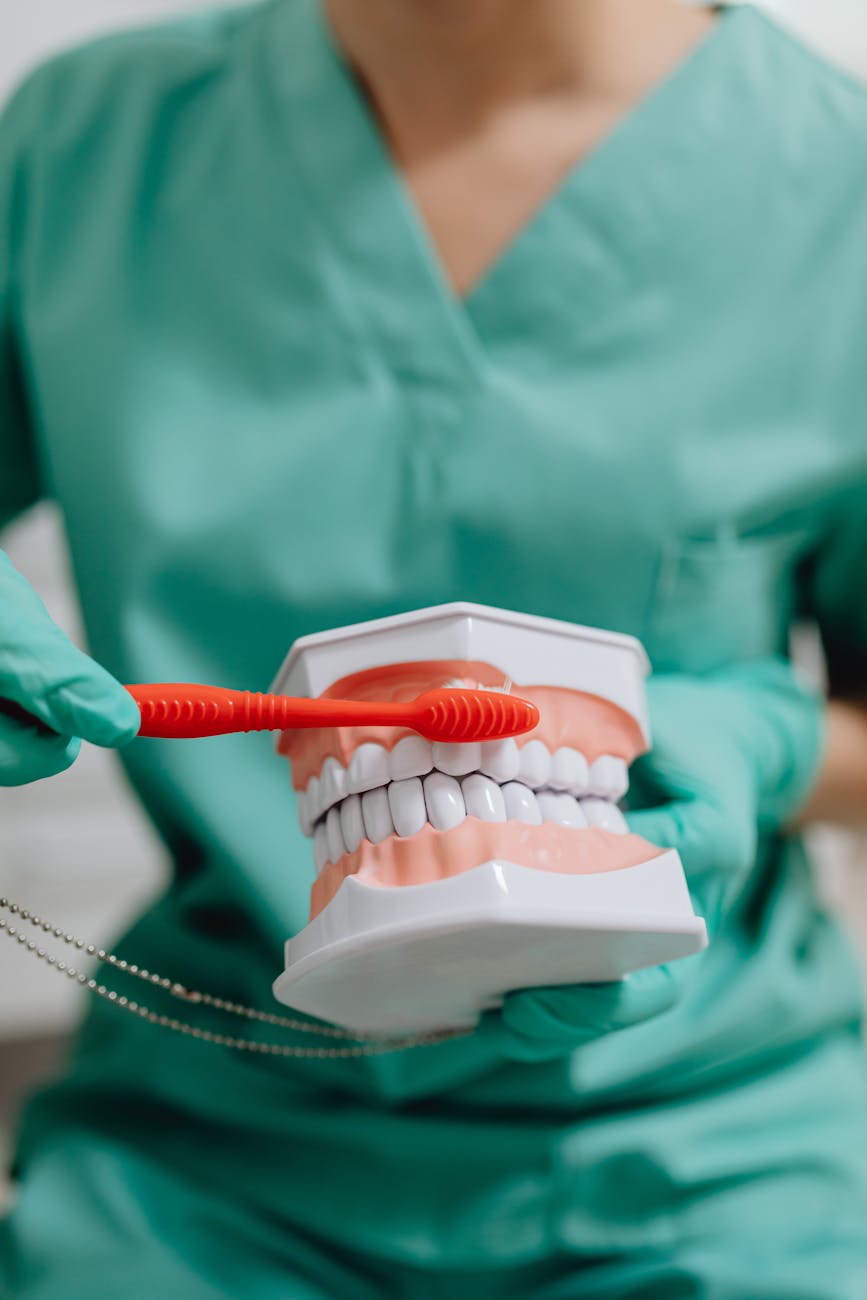
Research studies have shown that there is a strong association between periodontal disease and other chronic conditions such as diabetes, heart disease, pregnancy complications and respiratory disease. Periodontal disease is characterized by chronic inflammation of the gum tissue, periodontal infection below the gum line and a presence of disease-causing bacteria in the oral region. Halting the progression of periodontal disease and maintaining excellent standards of oral hygiene will not only reduce the risk of gum disease and bone loss, but also reduce the chances of developing other serious illnesses. Common cofactors associated with periodontal disease: Diabetes A research study has shown that individuals with pre-existing diabetic conditions are more likely to either have, or be more susceptible to periodontal disease. Periodontal disease can increase blood sugar levels which makes controlling the amount of glucose in the blood difficult. This factor alone can increase the risk of serious diabetic complications. Conversely, diabetes thickens blood vessels and therefore makes it harder for the mouth to rid itself of excess sugar. Excess sugar in the mouth creates a breeding ground for the types of oral bacteria that cause gum disease. Heart Disease There are several theories which explain the link between heart disease and periodontitis. One such theory is that the oral bacteria strains which exacerbate periodontal disease attach themselves to the coronary arteries when they enter the bloodstream. This in turn contributes to both blood clot formation and the narrowing of the coronary arteries, possibly leading to a heart attack. A second possibility is that the inflammation caused by periodontal disease causes a significant plaque build up. This can swell the arteries and worsen pre-existing heart conditions. An article published by the American Academy of Periodontology suggests that patients whose bodies react to periodontal bacteria have an increased risk of developing heart disease. Pregnancy Complications Women in general are at increased risk of developing periodontal disease because of hormone fluctuations that occur during puberty, pregnancy and menopause. Research suggests that pregnant women suffering from periodontal disease are more at risk of preeclampsia and delivering underweight, premature babies. Periodontitis increases levels of prostaglandin, which is one of the labor-inducing chemicals. Elevated levels prostaglandin may trigger premature labor, and increase the chances of delivering an underweight baby. Periodontal disease also elevates C-reactive proteins (which have previously been linked to heart disease). Heightened levels of these proteins can amplify the inflammatory response of the body and increase the chances of preeclampsia and low birth weight babies. Respiratory Disease Oral bacterium linked with gum disease has been shown to possibly cause or worsen conditions such as emphysema, pneumonia and Chronic Obstructive Pulmonary Disease (COPD). Oral bacteria can be drawn into the lower respiratory tract during the course of normal inhalation and colonize; causing bacterial infections. Studies have shown that the repeated infections which characterize COPD may be linked with periodontitis. In addition to the bacterial risk, inflammation in gum tissue can lead to severe inflammation in the lining of the lungs, which aggravates pneumonia. Individuals who suffer from chronic or persistent respiratory issues generally have low immunity. This means that bacteria can readily colonize beneath the gum line unchallenged by body’s immune system. If you have questions or concerns about periodontal disease and the mouth-body connection, please ask your dentist. We care about your overall health and your smile! GET IN TOUCH Schedule a Visit
The Journey Begins
Thanks for joining me! Good company in a journey makes the way seem shorter. — Izaak Walton


