
Many people like to kick off the new year with a list of plans and resolutions that they hope to accomplish. However, most of us don’t consider adding improving our dental hygiene to the list. Here are a few tips to keep your smile strong as you navigate the new year: 5 HABITS TO MAKE 5 HABITS TO BREAK

The Importance of Postpartum Dental Visit
Having a baby is one of life’s wonderful mysteries, and can be one of the most joyful times in a woman’s life. With a new baby comes new experiences, new routines, and sleepless nights. Unfortunately, being the mom of a newborn can also come with a greater risk for tooth decay. Dental care during pregnancy is extremely important, but it is just as important after. There is a lot going on in the life of a newborn—feedings, diaper changes, mom’s own physical healing, and trying to juggle so many tasks at the same time. It’s a lot to handle. Moms, often you are so concerned about keeping baby warm, fed, and happy, that it’s easy to neglect your own physical health. But, if baby is going to stay healthy, mom must also stay healthy—in body, mind…and teeth! Schedule times to brush your teeth and floss. New moms who are adjusting to life with a new baby are fortunate to have time to take a shower, let alone brush their teeth. But smartphones are a wonderful invention for many reasons, and you don’t need an additional fancy app to help you remember to brush your teeth. Simply set a reminder or alarm on your phone that will remind you twice a day to brush your teeth. Determine a time that may work best, and set the reminders. Fortunately, brushing your teeth will only take two minutes, so it can be done really quickly. Getting your teeth brushed will go a long way in maintaining your dental health after you’ve had a baby. One fact that you may not think about is that tooth decay-causing bacteria from your mouth can be passed on to your baby, by sharing utensils or trying to “clean” a pacifier with your mouth. Watch what you eat. During the frenzied newborn days, let’s be honest—it’s not easy to eat well and on time. While grabbing comfort food and starchy snacks might be easy, stock your refrigerator (or have a friend, husband, or your own nanay stock it for you) with easy-to-grab, ready-made healthy snacks, and meal options. That way, when you are hungry and have a second to grab a bite to eat before the baby starts crying again, you have healthy foods ready to go that won’t damage your teeth. The other benefit to a healthy diet after baby is born, is the fact that eating a consistent, healthy diet will strengthen your teeth and gums. Limit your sugar intake, and focus instead on fruits, vegetables, and proteins, and on getting all the vitamins and minerals that your body needs. Avoid processed foods, and opt instead for fresh options. Keep your semi-annual dentist appointment. Leaving the house with a newborn can be a challenge for even the most experienced mom, and it’s easy to shove that semi-annual dentist appointment aside. However, there is no better time to keep that appointment, as your dental check-up can catch tooth erosion before you might be aware of the decay. This is also the perfect time to ask your dentist about any issues you may be experiencing—issues that you might not address during this phase normally. That toothache you have started to notice, or more gum bleeding than normal—theses are issues that can be addressed during your dentist appointment. But, don’t forget to tell us if you are nursing, as this can affect how we treat any potential tooth problems. So, don’t reschedule. Bring the baby with you—we don’t mind!—or ask a family member or a trusted friend to watch the baby while you stop in. You want your baby to grow up seeing lots of healthy, happy smiles from Mom, so please take steps to care for your oral health while you’re taking care your dear little one. Contact Cosmo Dental today and schedule your postpartum checkup now!

Top 10 foods that are good for your teeth
We all know the secret to healthy teeth: brush regularly, floss regularly and keep sugars to a minimum. However, the food you eat can also play a part in maintaining a healthy mouth and, while no food will ever replace the need to brush, there are some that are surprisingly healthy for your teeth. 10. Chewing gum Whether or not this qualifies as food is debatable, and we would strongly advise against swallowing it. However, as many advertisements promise, chewing gum is indeed good for your teeth, provided it is sugar free. This is because chewing speeds up saliva production, which in turn helps rinse away harmful acids more effectively. As an added bonus, it makes your breath smell better. 9. Salmon Vitamin D is an essential vitamin for good oral health, as it effectively allows your body to better absorb calcium and put it to good use throughout your body. Salmon is packed full of both Vitamin D and calcium, making it an all-round superfood for helping to maintain healthy teeth and gums. 8. Carrots Carrots have been hailed a cavity fighting vegetable, as munching on sticks of crunchy, raw carrot acts as a natural toothbrush. The chewing action massages your gums, and this bright vegetable is high in plaque-attacking keratin as well as Vitamin A, which is crucial for strengthening delicate tooth enamel. All-in-all it’s a good choice for an in-between-meal snack. 7. Cheese Cheese is great for your teeth. Not only does it have high levels of phosphate and calcium, which naturally strengthen teeth and bones, but it also helps balance the pH level in your mouth, which means less harmful acid, more cleansing saliva and fewer cavities. 6. Yoghurt Unsweetened natural yoghurt makes a great healthy breakfast or snack. For the benefit of your teeth, yoghurt contains both casein and calcium, which strengthen enamel and help repair it if it happens to be damaged. 5. Sesame seeds Eating sesame seeds on their own, or baked into bread will help you in two ways. First of all, as you chew, they help to scrub plaque from your teeth and, secondly, they’re high in calcium. Just make sure any seeds caught between your teeth are removed as soon as possible. 4. Onions Raw onion is incredibly healthy for you, and as an added bonus, the antibacterial sulphur compounds contained in an onion will kill the harmful bacteria on your teeth. But you might want to chew gum afterwards! 3. Celery Celery gives your teeth a great workout. As you chew celery, it helps to clean your teeth and massages your gums in the process, while all that chewing will also produce plenty of saliva to neutralise bacteria. 2. Apples Apples are highly acidic and you could be forgiven for thinking that would weaken the enamel on your teeth. However, the natural sugars contained within apples actually help neutralise harmful acids in the mouth. As well as this, chewing apples is another good mouth workout for saliva production, and they’re packed with vitamins to keep your gums healthy. 1. Strawberries Strawberries are sweet, acidic and tend to stain things red, so how can they possibly be good for your teeth? Strawberries contain malic acid, which is actually a good natural whitener for enamel – eating strawberries will actually help keep your teeth free of stains. Just be mindful that strawberry seeds can get stuck between your teeth, so make sure you floss after eating them.

Good Dental Hygiene Habits For Kids
You want your child’s teeth to last all of his life, so it is important to teach him or her good dental habits. As your child grows, caring for his teeth will become a natural part of his daily routine. Good oral hygiene habits can limit or prevent problems such as cavities, gum disease and other dental issues. The best way to help your child form these habits is to start early, even before he is able to care for his own teeth. Gradually you can help your child learn to care for his teeth all by himself. Brush and floss Our team at Cosmo Dental wants you to feel comfortable caring for your child’s teeth. Start when you notice the first tooth has erupted. For children ages 3 or younger, use a soft bristled toothbrush designed for children with a little dab of toothpaste, no larger than a grain of rice. For children ages 3 or older, use a small amount of fluoride toothpaste, about the size of a pea. Start using a toothpaste containing fluoride once the child is able to expectorate. Continue to brush your child’s teeth twice daily using small, circular motions until he is ready to do it on his own. There are many fun products on the market, so let your child help choose his toothpaste or toothbrush. Usually, by age 6 or 7, children are able to brush properly on their own, although they probably still need reminders and supervision. When your child gets more teeth, especially when the teeth begin to fit closely together, it’s time to start flossing. Move the floss gently back and forth to remove trapped debris. Be careful not to yank the floss hard against the gums and ask your child to let you know if the flossing is uncomfortable. This is also when you may find out your child needs to have their first visit to an orthodontist to check their bite, jaw and development. Regular dental visits It’s important to take your child to the dentist after the first tooth appears, but no later than his or her first birthday. Thereafter, a child should visit the dentist twice a year for routine checkups and cleaning. These visits also give you the opportunity to ask any questions you may have about your child’s dental care. Remember that baby teeth are not only the first set of teeth, but are also saving places for the adult teeth to come later. Some adults are nervous about visits to the dentist, however it is important to lead by example. If you are calm, your demeanor has a positive effect on your child’s behavior during the visit. Habits to avoid Eating foods loaded with sugar, candy (particularly sticky or gummy candy) or juices can cause cavities. This is also true of sweetened liquid medicines. Have your child brush his teeth or rinse his mouth after consuming these items. Teach your child to avoid chewing on ice. It is an easy habit to fall into, but it can destroy tooth enamel, leaving your teeth susceptible to decay. Chewing ice can also crack or chip teeth. Eat a healthy diet A healthy diet should include options from all the major food groups. Offer a well-balanced diet that limits starchy and sugary foods, as these can lead to tooth decay. Make sure to include calcium for strong teeth. Encourage your child to drink water instead of soda or juice. Keep your pantry stocked with fresh fruits and vegetables to encourage “healthy snacks.” Some of these, such as bananas and raisins, contain concentrated sugar so your child should brush after eating them. In addition to caring for your child’s teeth, model good dental hygiene on a daily basis. Brush together twice a day. Don’t treat it as a chore, but rather have fun with it. The habits you create today will last a lifetime! If you have yet to find a dental home for your child, request an appointment at Cosmo Dental Eton Centris QC OR Eton Tower Makati office.

Why Change Your Toothbrush Every 3 Months
Brushing your teeth is a vital part of maintaining your oral health. We’re taught how to brush our teeth from an early age and told we should brush at least twice a day. Beyond the frequency that we brush our teeth, we also need to make sure that we’re using the appropriate techniques, as well as using quality toothbrushes. At Cosmo Dental, Dr. Segui and her associates recommend replacing your toothbrush once every three months or sooner. Many people believe that the idea that you should change out your toothbrush every 3 months is a marketing technique to buy more toothbrushes. However, there are multiple reasons why dental professionals recommend changing your toothbrush every three months. Bacteria Buildup. For one, after you brush your teeth, bacteria and plaque inhabit your toothbrush. In a similar way that dirt becomes transferred to a sponge when you clean, bacteria also become transferred to toothbrushes. The longer you use a certain toothbrush, the more bacteria will take over the brush. Worn Out Bristles. Another reason you should change your toothbrush every three months is that over time, your toothbrush bristles will become worn out. Worn-out bristles tend to be more abrasive on your gums, which can lead to premature gum recession and inflammation in your gums. After Sickness. If you are dealing with a cold, flu, or other viral infection, you should change your toothbrush to avoid reinfecting yourself. Viruses and bacteria can remain in your toothbrush bristles, leading to cross-contamination into your family’s toothbrushes or reinfection. You should dispose of your toothbrush after sickness, and replace it with a fresh toothbrush. SIGNS TO REPLACE YOUR TOOTHBRUSH You might need to replace your toothbrush sooner than three months. If you brush with too much pressure, you will probably notice your bristles becoming worn out before three months. As soon as you realize that your toothbrush bristles are pointing in the wrong direction or becoming worn down, you should replace it. However, as a general rule of thumb, you should try to replace it every three months. Keeping Your Toothbrush Clean People might try to use various cleaning agents to clean their toothbrushes after dropping them or getting sick. Unfortunately, this can actually cause more harm to your teeth and gums. To keep your toothbrush as clean as possible, make sure you rinse it well after use, then let it air dry. Avoid storing your toothbrush in a small and enclosed space, as this promotes the growth of bacteria. When storing your toothbrush in a cup or toothbrush holder, avoid letting it touch other toothbrushes, which can transfer bacteria. Oftentimes, patients try to sterilize their toothbrushes by boiling, microwaving, or washing them in a dishwasher. Exposing your toothbrush to excessive heat can warp your brush’s bristles, making them less effective at cleaning your teeth. SHOULD YOU USE AN ELECTRIC OR MANUAL TOOTHBRUSH? It is hard to say if an electric toothbrush or manual toothbrush is better for your oral health. After all, not all electric toothbrushes and not all manual toothbrushes are created equal. Some electric toothbrushes are more effective than others and vice-versa. Whether you want an electric or manual toothbrush is a matter of preference. For instance, if your manual toothbrush is working for your oral health situation, and you have not experienced decay or cavities, it is better to not change your habits. However, if you have a hard time reaching certain teeth or deal with regular cavities and decay, then we recommend switching to a more effective electric toothbrush. Electric toothbrushes can also be a good option for the elderly when coordination and strength are lacking. Beyond using proper brushing habits, it is also important to make sure you are going to the dentist twice a year for professional cleanings, as well as flossing daily! Want to know more about your oral health routine? Schedule an appointment with your COSMO DENTAL Eton Centris QC at 0968621-2551 or Eton Tower Makati at 0017-168-2289.

5 Ways You Can Hurt Your Teeth When You Exercise!
Exercise is good for your body, and your teeth. Studies show that exercising regularly helps lower your risk of developing gum disease by 54%. In fact, even occasional exercise will reduce your risk by 33%. So, is there any risk to your teeth and gums from exercising? That depends. Sometimes your fitness and physical activities can present certain risks to your oral health. 5 Things that Can Damage Your Teeth When You Exercise Dental Injury – Damaging your teeth during physical fitness and recreational activities is definitely a risk of exercise. Every year more than 3 million teeth get knocked out playing recreational and sports activities. Blunt force from a ball, bat, an elbow or a foot can do a lot of damage. But so can many sports and activities that involve motion – biking, playing basketball, soccer or volleyball, boxing. Wearing a sports mouth guard when you’re out their playing offers insurance against the cost and hassle of replacing a missing tooth. Our custom designed sports mouth guards will fit comfortably to your unique teeth and bite, compared to the boil and bite mouthguards you can buy at the store. They’ll feel good, and look good (choose from several colors!) when you’re out playing hard. Sports Drinks, Energy Bars & Gels – Take it easy on sports drinks, energy bars and gels to fuel or refuel your body when you’re exercising. Sports drinks do offer plenty of electrolytes, but they’re also loaded with sugar and are highly acidic. This combo can quickly erode the enamel of your teeth and promote tooth decay. In fact, drinking some sports drinks consistently for as little as five days can damage your teeth. Energy bars and gels are also high in sugars and they can stick to your teeth, and linger there longer, which will contribute to a build up of cavity causing bacteria. Your Saliva Flow & Composition Can Change – Excessive exercise could also damage your teeth by changing the composition and flow of your saliva. More workout hours logged per week could result in a higher risk of cavities. A study noted that there was a significantly higher rate of tooth erosion in triathletes compared to non-athletes. In addition, the researchers found that athletes who engaged in more weekly training had more cavities than those who trained less. Why? People who spend a considerably more time exercising had a higher pH or alkaline content in their saliva, while also producing less saliva. It seems that this combination neutralizes the proteins in saliva that can fight off bacteria and help prevent tooth decay. Without a healthy saliva flow, food particles and bacteria linger in your teeth, as aren’t flushed away. Keeping well hydrated while you exercise, and afterwards, will help combat your dry mouth. But sometimes chronic dry mouth may be a result of a health issue, such as diabetes, or from taking various medications, such as antihistamines or decongestants for allergies. If you believe you suffer from chronic dry mouth, please contact us to schedule an exam. Clenching Your Teeth – Exercise-induced-bruxism (teeth clenching and grinding) can also damage your teeth. Impact sports and recreational activities like skateboarding can increase your risk of a tooth injury, but so can doing certain exercises like lifting weights. Whether you’re squatting or deadlifting, the strain you are exerting from moving a heavy weight can cause you to clench or grind your teeth. Teeth grinding and jaw clenching during exercise is actually pretty common. It also can cause a tremendous load on your teeth and jaw joints. Excessive clenching may lead to chips, crack lines, holes, or fractures in your teeth. And if you grind your teeth when you exercise this could also contribute to gum recession and wear down the enamel of your teeth. A mouth guard creates a protective barrier between your teeth, and helps cushion the clenching or grinding when you lift. Wearing a properly made sports mouth guard that aligns and supports your jaw will not only protect your teeth, but it will also protect your facial, head, and neck muscles. If you’re strength training, you’re probably already geared-up with several accessories like knee sleeves, or weight-lifting belts, so what’s one more (small thing) to add to your protective work-out gear? Open Mouth Breathing – Are you a mouth breather when you’re out there jogging? Breathing through your your mouth, rather than through your nose, is another risk to your teeth. Why? It reduces the saliva flow in your mouth by drying it up. Not having enough saliva in your mouth to flush out food particles, and keep things clean, gives the bacteria in your mouth a great environment in which to grow, and promote tooth decay. It might be a challenge for many mouth breathers to kick the habit and switch to nose breathing. If you can’t, drink plenty of water when your exercise. This will help aid your dry mouth during work outs. Physical fitness is good for your body, and it’s good for your teeth…as long as you minimize some of the risks to your teeth that come along with staying in shape. Adding a custom sports mouth guard will serve you with additional protection. Request one if you have an appointment coming up. And, if not, please call our office at 0968-621-2551.
The Dental Truth on Activated Charcoal Toothpaste
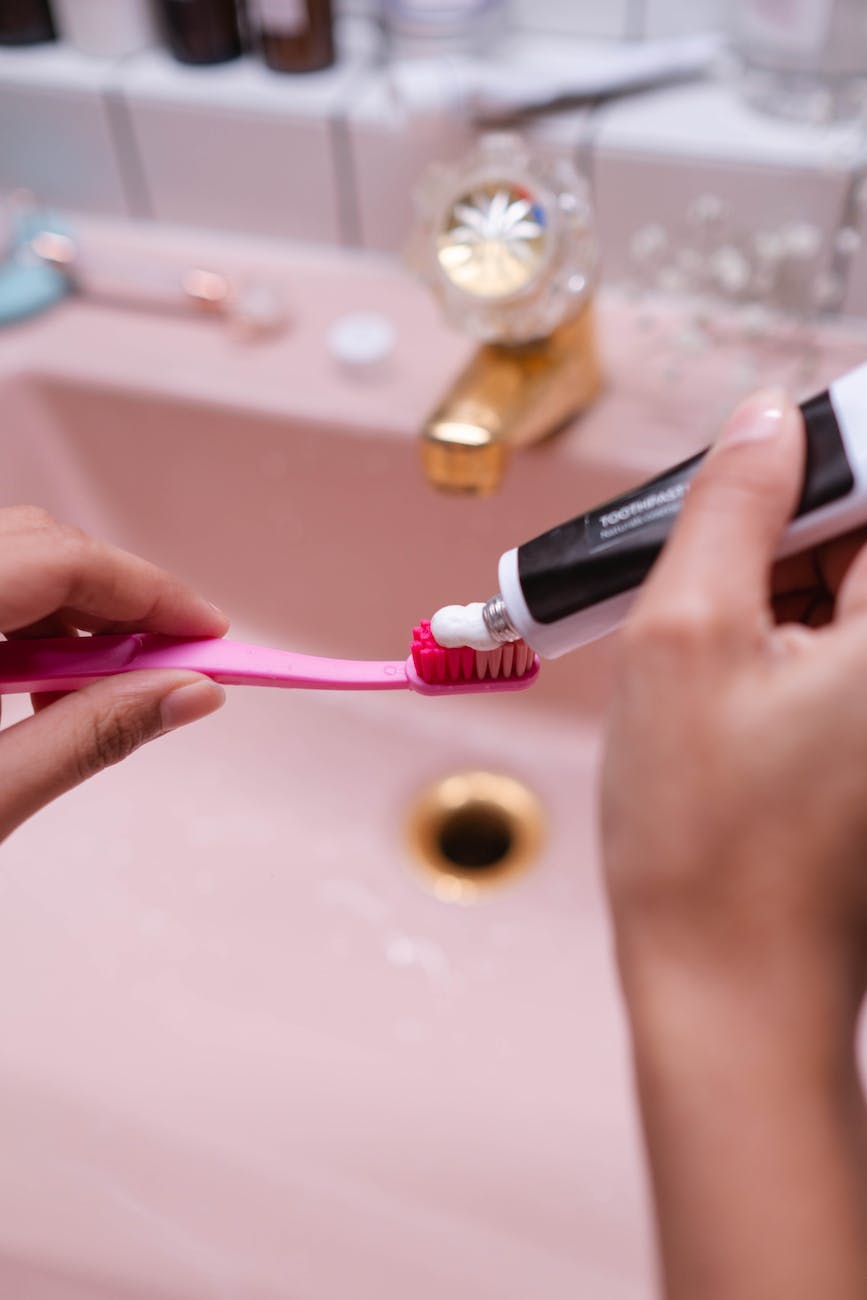
Activated charcoal seems to be quite popular lately, with claims of toothpaste infused with it being able to whiten teeth all over social media, internet and even from personal patients! Big question is does activated charcoal do any real good, though? With today’s dental blog post, we’re here to explore if it actually helps whiten your teeth and if it is safe. What is Activated Charcoal for Teeth Whitening? Before you ask, “Is charcoal toothpaste safe?” it’s important to understand what it is and why it’s become so popular. Activated charcoal is an ancient medicinal technique used to bind to everything. The idea is that it will bind to all your stains, bacteria and tartar, and safely and effectively clean your mouth. Once hailed as the “universal antidote,” this fine, black powder can be made from coal, bone char, peat, sawdust, and other sources, that is then heated to reduce its surface area (and thus, “activating” it). In this form, activated charcoal has long been used as a remedy for poisons (as it can trap various toxins and prevent your body from absorbing them), and, anecdotally, as a natural agent for preventing gas, reducing cholesterol, and even nullifying hangovers. When it comes to whitening teeth, the most common claim is that activated charcoal toothpaste can help absorb plaque and clean stains from coffee, wine, and other drinks that often mar your teeth’s white appearance. Many companies and individuals are marketing charcoal as a safer and more effective product than professional dental care or popular toothpaste formulas. Unfortunately, researchers have found no significant support for this claim. Not only is activated charcoal being marketed with claims that aren’t proven, but dentists and other dental care professionals are also experiencing a range of negative effects from frequent activated charcoal use. Discover how you may actually be hurting your teeth, gums, and overall oral health by using this alternative toothpaste ingredient. What The Scientific Research Tells Us about Activated Charcoal Toothpaste Disregarding activated charcoal’s abrasive nature, it’s not bad for your teeth, per se, but if you’re brushing with it, it’s likely that it won’t do much good for you in the long term, as it doesn’t have enough time to sit on the surface of your teeth and produce any meaningful whitening effect. Another thing that’s important to note is that there’s a difference between removing stains (the central claim of activated charcoal toothpastes) from your teeth and whitening them. The first involves, as the name suggests, getting rid of unsightly stains on the enamel, and is generally done under the supervision of dental professionals and with their specialized tools. Whitening, on the other hand, is a process that actually changes the underlying color of your teeth, which, among people, can vary based on factors like the thickness of your enamel. So, even if you remove surface stains, your teeth can still appear somewhat yellow based on what lies beneath your enamel. Finally, if you are still set on incorporating activated charcoal into your dental hygiene, know that there are a number of DIY alternatives you can try instead. Mixing a bit of baking soda with water, for instance, can help whiten teeth while simultaneously freshening your breath. Similarly, diluted hydrogen peroxide can work to whiten your teeth over time. You might want to try some of these alternatives out before you place that order for some activated charcoal toothpaste Dangers of Using Charcoal in Dental Care When you use activated charcoal toothpaste, you’re exposing your teeth to highly abrasive material. Unlike normal toothpaste, activated charcoal is powerful enough to remove the surface layer of enamel and even root surface. At first, this appears to whiten your teeth, but the long-term consequences can be severe damage to your teeth. In addition to the natural abrasion of charcoal toothpaste products, individuals who are concerned with the health and whiteness of their teeth may actually be brushing too hard. Aggressive brushing techniques can further damage your enamel as you scour your teeth. Dental Professionals, dentists and dental hygienists, are beginning to see charcoal particles firmly lodged in gums and fillings. Because of the severe binding nature of activated charcoal, particularly powdered charcoal, it may be causing irritation to your gums and creating difficulties with your fillings. Over time, these irritations and abrasions can lead to costly dental care. Fillings, enamel repair and whitening, and other dental services may be required to not only give you the results you want but also to repair the damage done by activated charcoal toothpaste and by avoiding professional oral care by a certified dentist. At best, charcoal is an unproven way to clean and whiten your teeth. At worst, it’s actively damaging your teeth, irritating your gums, and removing surface enamel from your teeth. Your teeth’s surface enamel is essential for preventing cavities, keeping your teeth white, and encouraging overall oral health. Top Ways to Enjoy a Healthier Smile Instead of trying an unproven remedy for whiter, healthier teeth, turn to the time-tested and scientifically supported ways to enjoy a healthier smile. Enjoy professional tooth whitening procedures, visit your dentist once or twice a year, and consider using fluoride toothpaste to prevent dental decay. Tooth whitening uses a special whitening solution with tailored trays. This process isn’t permanent, but can efficiently whiten your teeth without damaging your overall tooth health. Whiten your teeth while keeping them safe from abrasion and other unhealthy practices. Because of the lack of evidence to determine does charcoal toothpaste work, turn to a leading dentist near you for safe, effective cleaning and whitening procedures.
It’s National Chocolate Day and You Deserve One
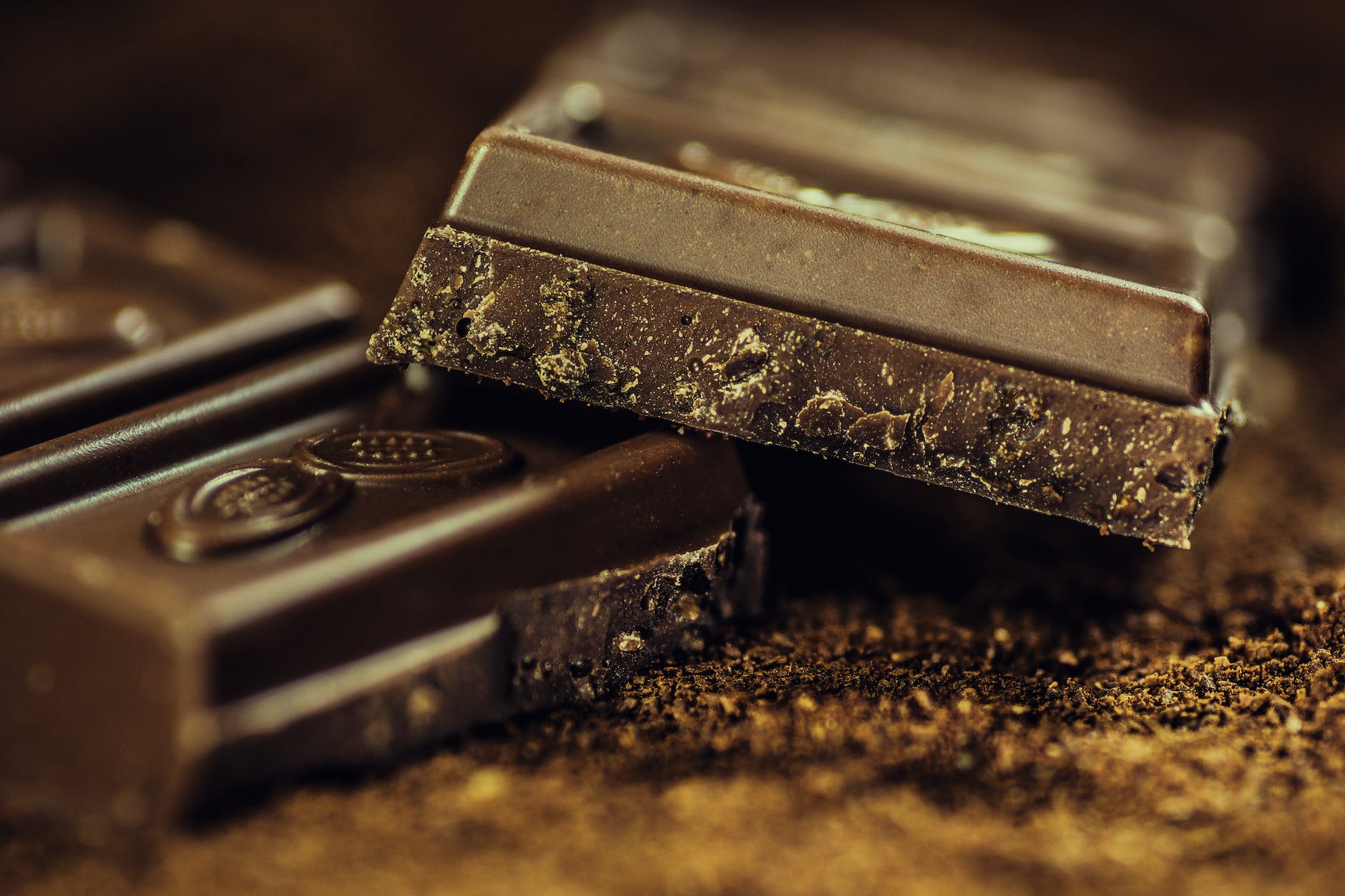
Everything’s better with chocolate, especially on National Chocolate’s Day!!! Not only is Chocolate delicious, it’s one of the best sweets for your teeth. Chocolate dissolves quickly in the mouth and can be eaten easily, which decreases the amount of time sugar stays in contact with teeth. Plus, the calcium in the “tsokolate” could help protect the tooth enamel. Eating chocolate in moderation (ahem) is good for your overall health tooth. How you might ask? Chocolate is loaded with antioxidants, it has mind boosting qualities and it may reduce stroke risk We know you are worried about possibilities of stains and cavities, but here are some healthy ways to have detectable day and make all your chocolate dreams come true: First and foremost, brush your teeth 2x a day with a soft-bristled brush. Second, replace your toothbrush every three or four months. Third, make sure to use a PDA-accepted fluoride toothpaste. Talk to your local dentist at Cosmo Dental about what types of dental products you should be using. If you see the PDA seal, that tells the product has met their criteria for safety and effectiveness. Here are some interesting chocolate facts to sweeten your day: It takes approximately 400 cacao beans to make 450g of chocolate. The word “chocolate” is derived from the Aztec word for the bitter drink the Aztec people used to make from cacao beans, “xocoatl”. White chocolate is not technically real chocolate as it does not contain any cocoa solids, though it does contain cocoa butter also made from cacao beans. The origin of Nutella began after WW2, when an Italian pastry maker mixed hazelnut into solid chocolate to extend his cocoa amounts, which were in short supply after rationing during the war. The same component in chocolate that makes it toxic to cats and dogs (theobromine), can also kill humans. However, you’d have to eat close to 10kg of chocolate in one sitting to reach that point! All chocolate contains a little caffeine. Most have quite a low amount (20 mg per 100g compared to ~75mg in a cup of coffee) but the darker chocolates varieties can have a similar caffeine content to Coke. Chocolates may be delicious but it’s effects on teeth are not so sweet. Did you also know the chocolate industry is worth approximately $110 billion per year? That’s a LOT of chocolate. Once a rarity, chocolate is now incredibly common in modern diets. Unfortunately – as delicious as it is – chocolate is incredibly high in sugar, which as well as other negative health effects can cause a lot of decay (holes!) in your teeth. This is because the bacteria that are linked with causing decay in the mouth thrive off having simple carbohydrates (sugar) as their main food source. Continuing to eat a lot of sugar increases the numbers of these bacteria in your mouth and allows them to do damage to healthy tooth structure. Therefore, we recommend you always consume chocolate in moderation, saving it for special treats instead of indulging on a daily basis.


